Rights-Based Transformation at Scale
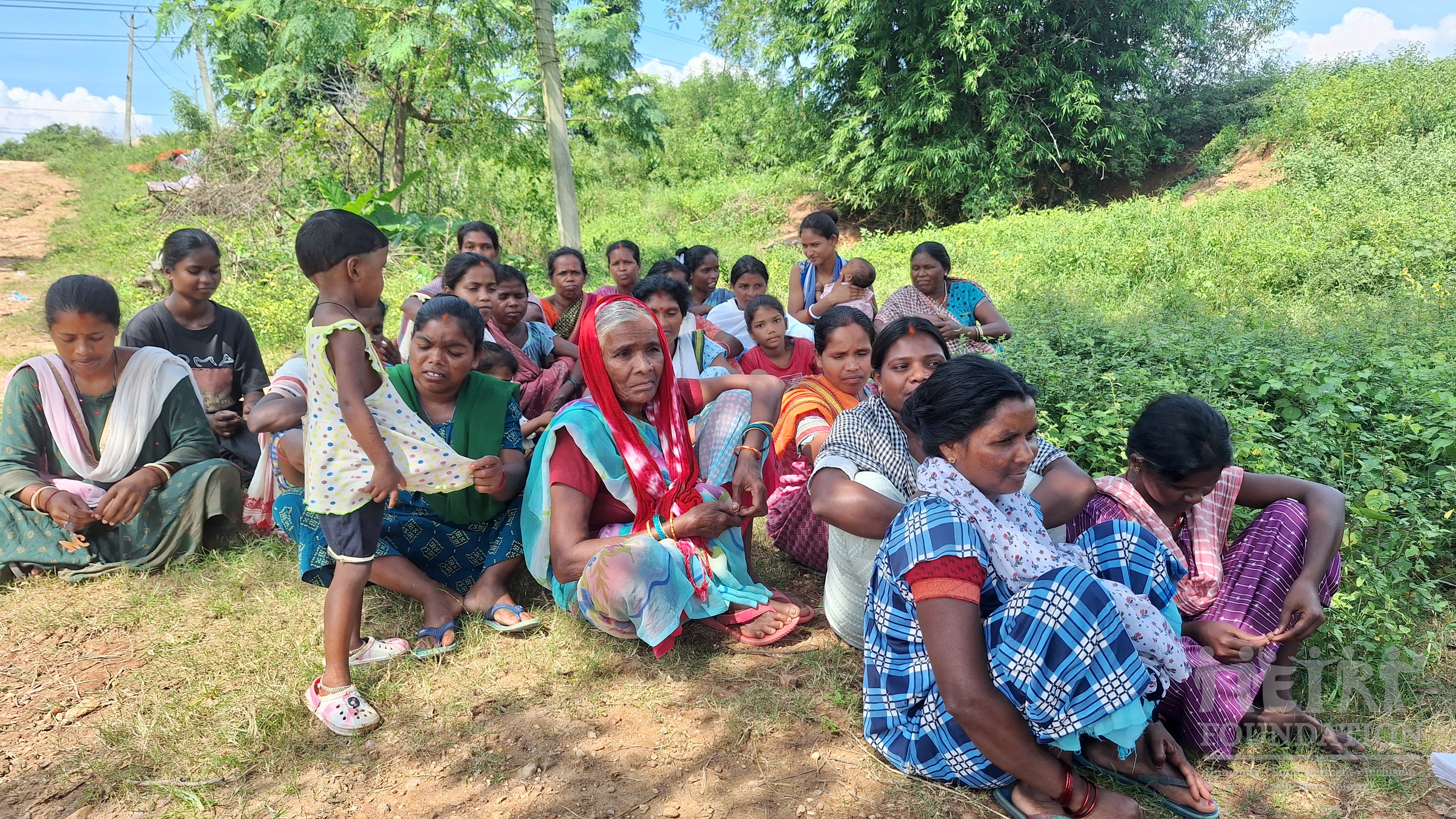
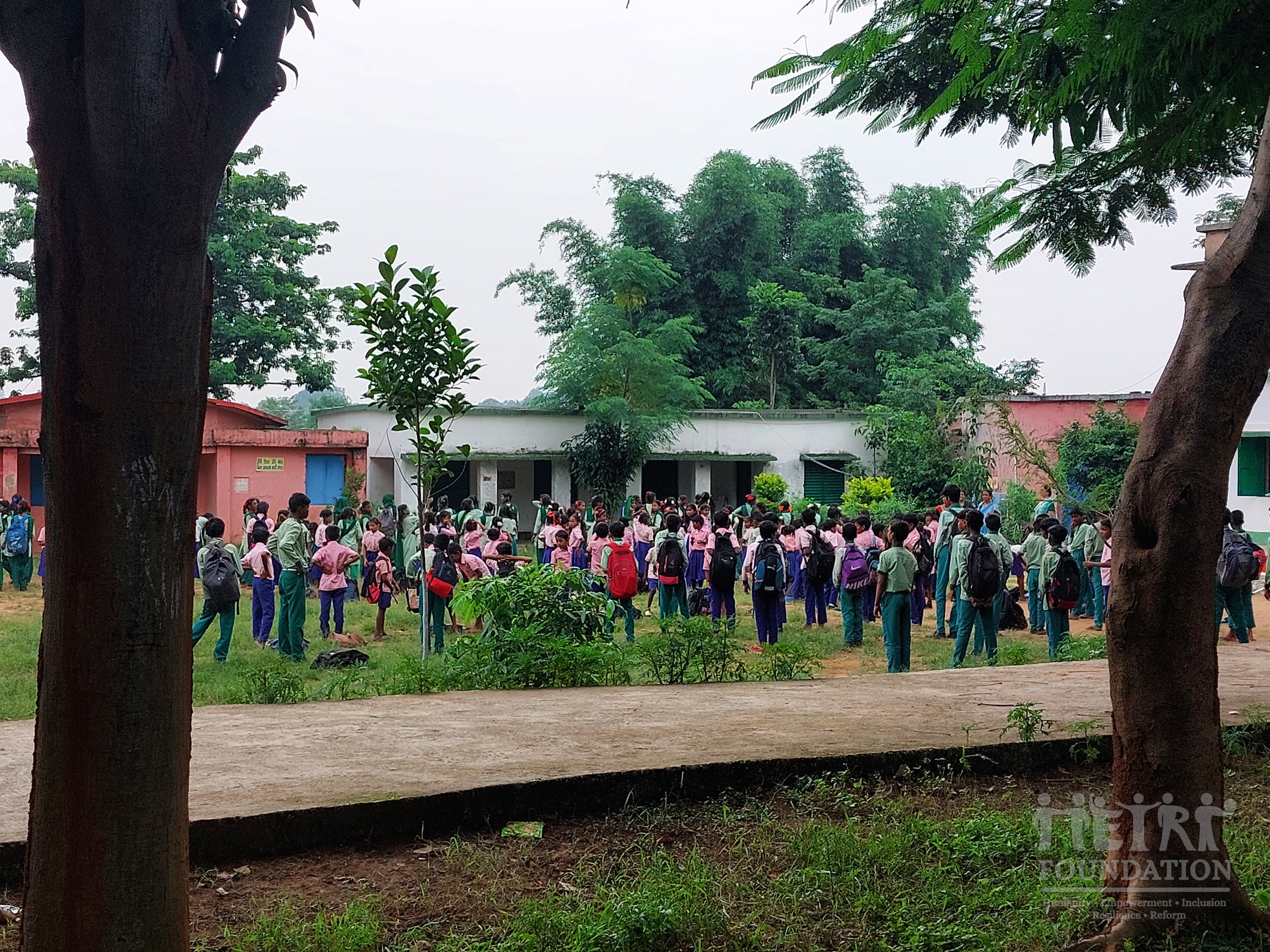
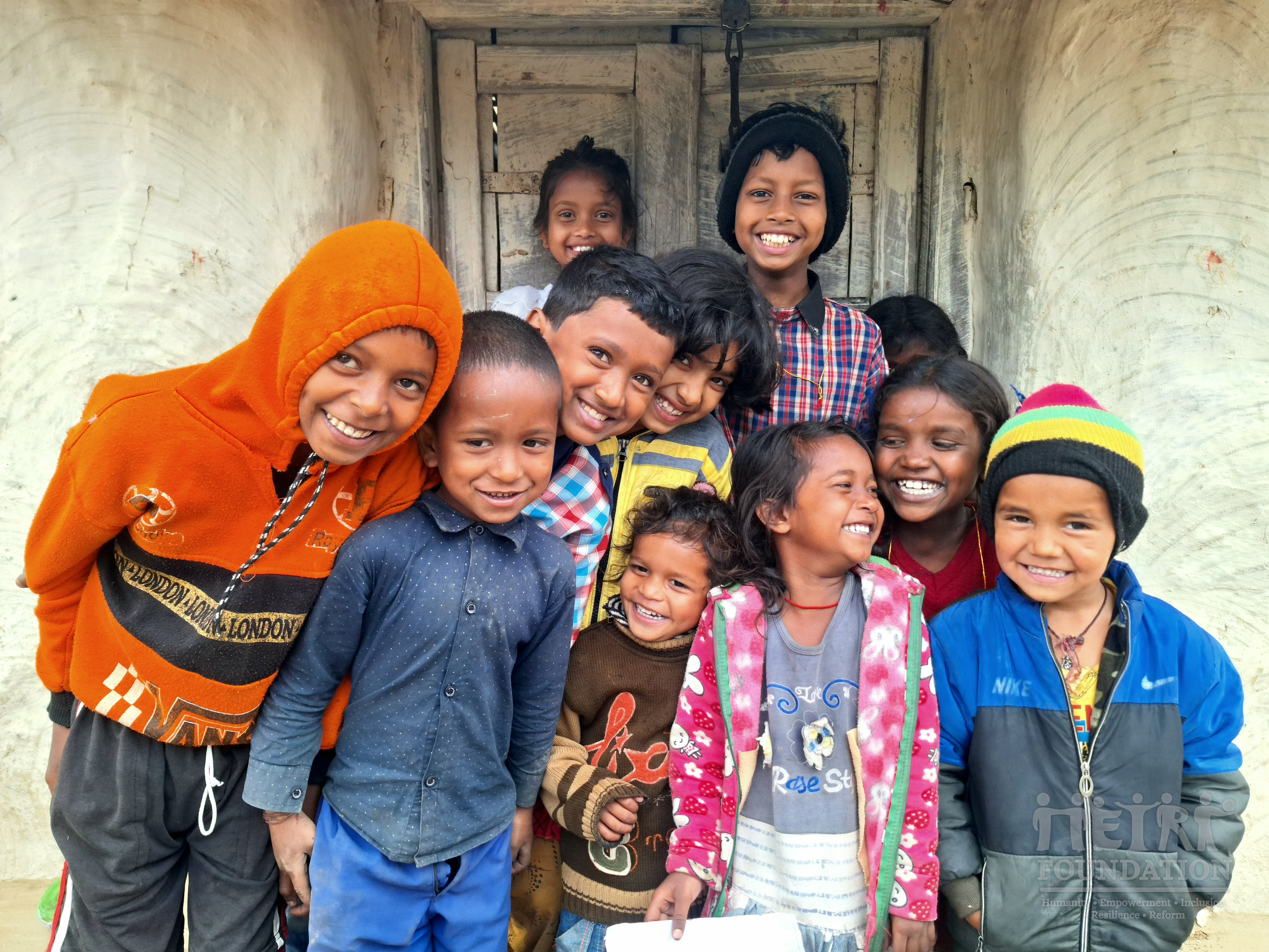
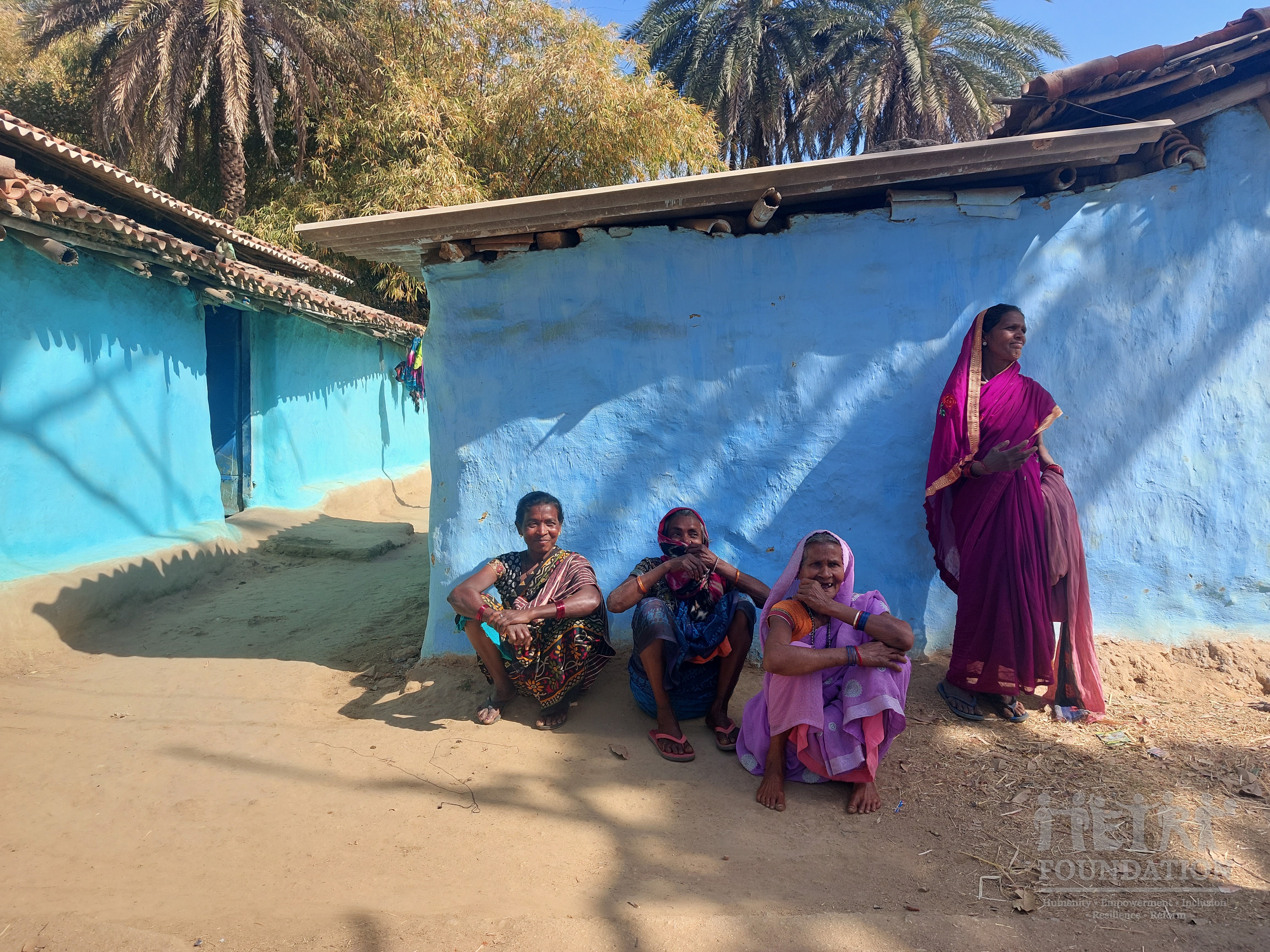
HEIRR Foundation works alongside underserved and marginalised communities across India to dismantle barriers and build pathways to dignity.
What We Do
Rights-Based Transformation at Scale
HEIRR Foundation works alongside underserved and marginalised communities across India to dismantle barriers and build pathways to dignity. We catalyse systemic, evidence-driven change through integrated interventions spanning education, healthcare, livelihood generation, skill development, women and child welfare, environmental stewardship, and social entrepreneurship.
We are not a charity. We are a justice partner. Our approach is grounded in human rights, guided by evidence, rooted in community leadership, and accountable to every person and every rupee entrusted to us.
Current Programmes 2026
Multi-Sectoral Pathways to Dignity (Pilot Phase)
In our inaugural year, we are building foundational programmes in West Bengal and Jharkhand while establishing systems for scale across Six integrated intervention areas.
Livelihood & Skills
Health & Nutrition
Women & Child Welfare
Environmental Stewardship
SHG & Social Enterprise
Our Focus
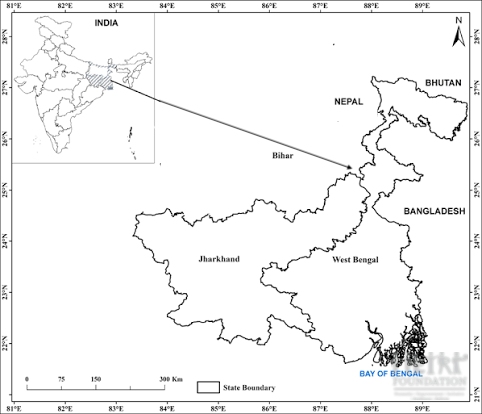
Current Focus Geographies
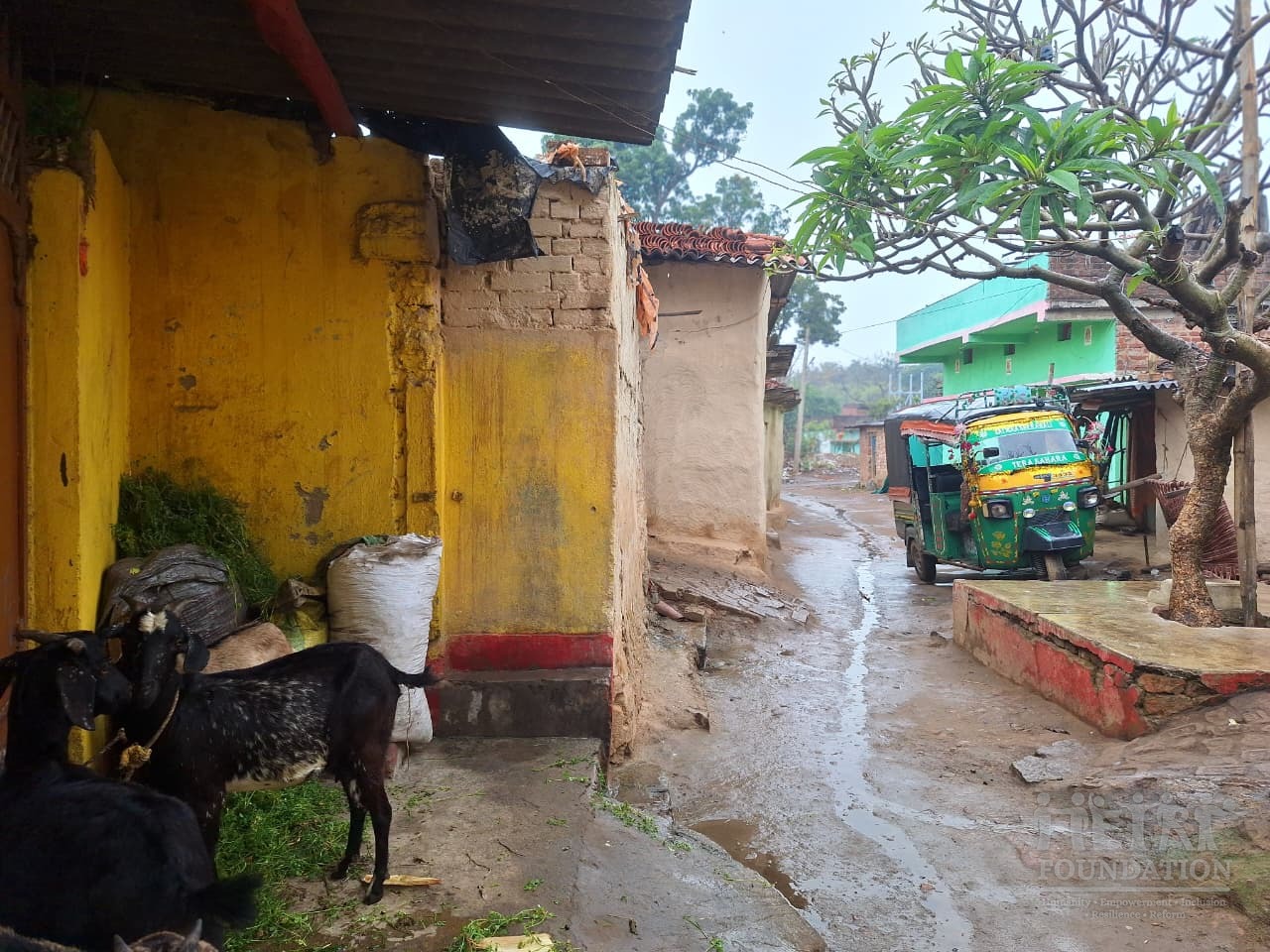
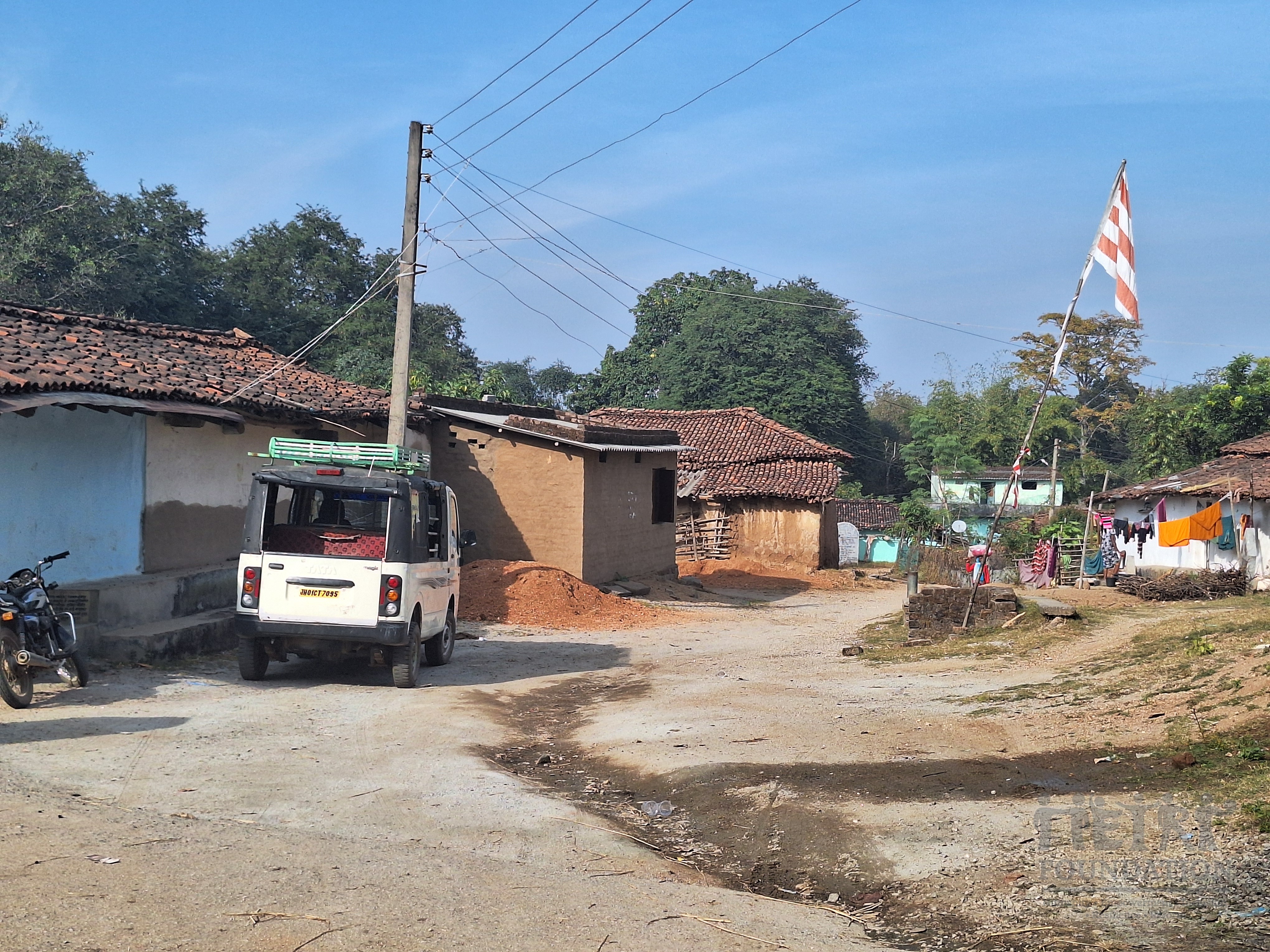
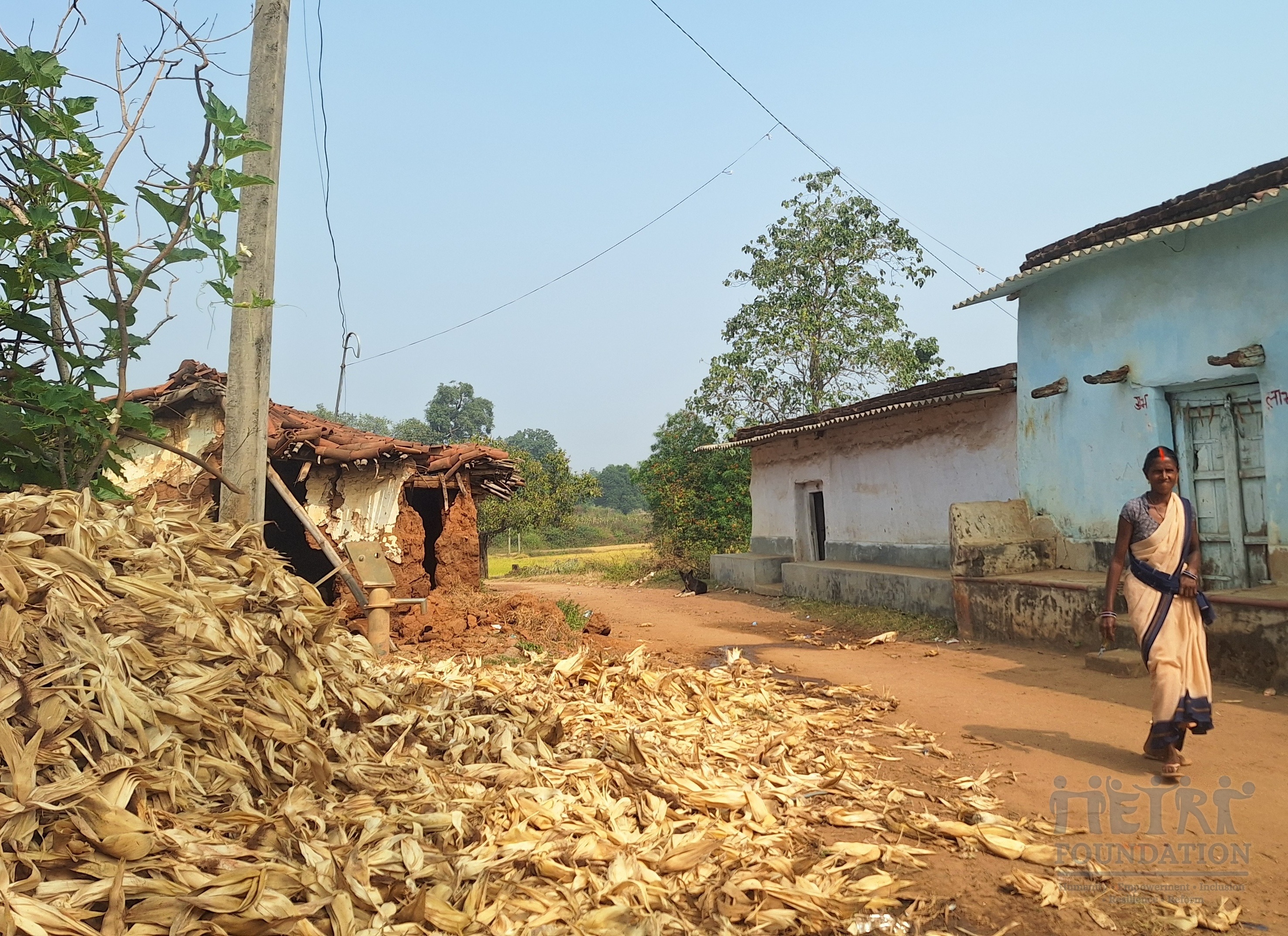
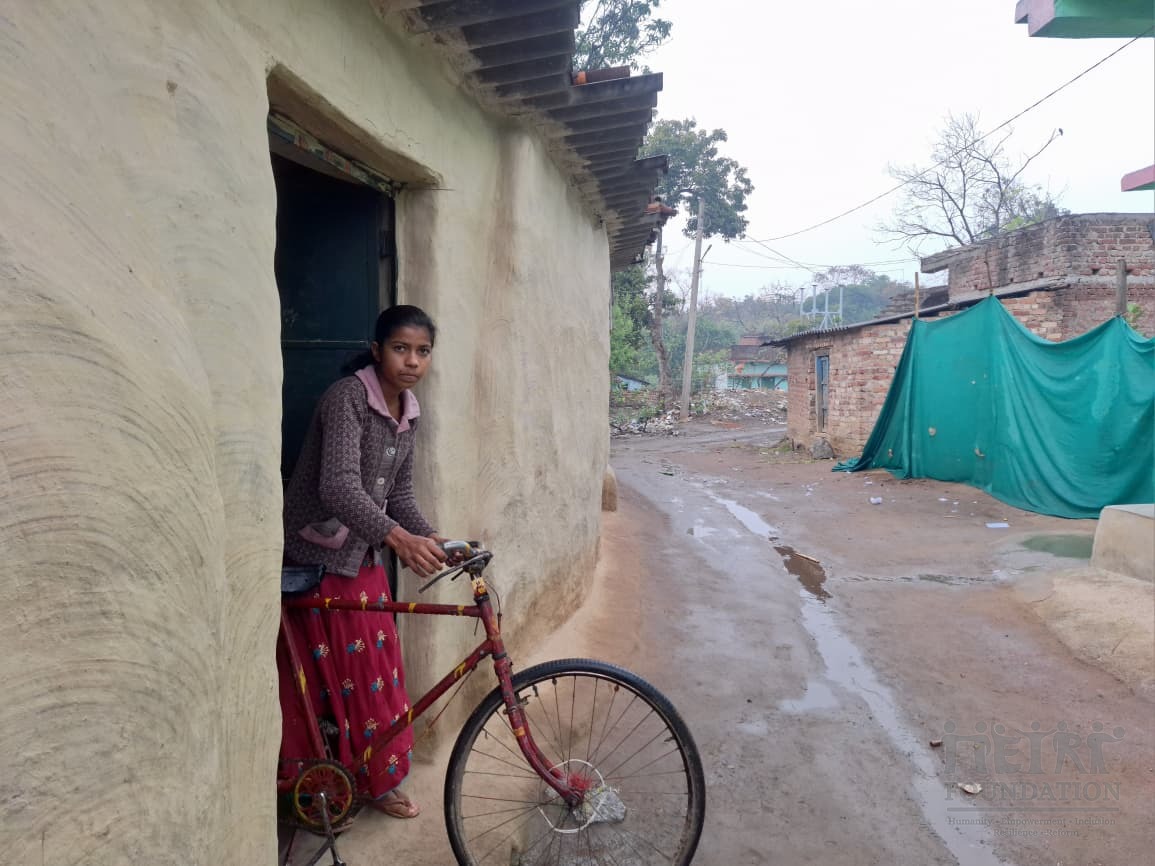
Underserved urban slums, peri-urban settlements, rural villages, and tribal communities
- South 24 Parganas, Howrah, Kolkata and surrounding locations — West Bengal.
- Mandar and Burmu rural Blocks of Ranchi District and surrounding locations – Jharkhand.
- Expanding across India as per our longterm strategy.
Target Community Partners
- Direct Stakeholders and Community Partners: Underserved and marginalised children, adolescents, youth, women, adults and families
- Community Stakeholders: Village-level stakeholders, community leaders, self-help groups, Mothers' Committees
- System-Level Stakeholders: Respective Government departments and their officials from Village level to block, district and state level
Selection Criteria based on vulnerability mapping & Inclusion Strategy for Women, Children, Adolescents, Youth, PwDs, Marginalized communities
Problem Statement
Warning Signs Across Our Focus Areas
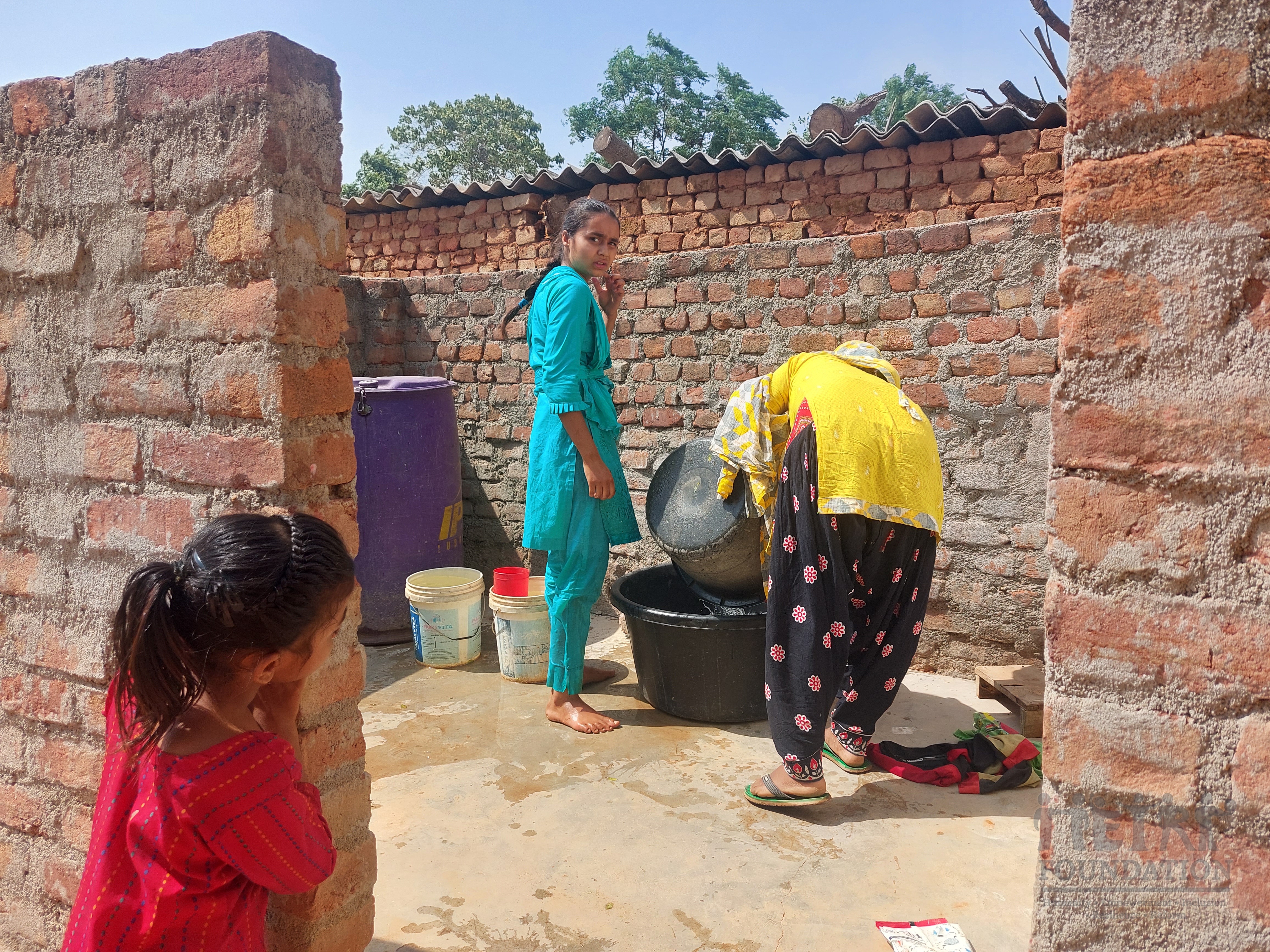
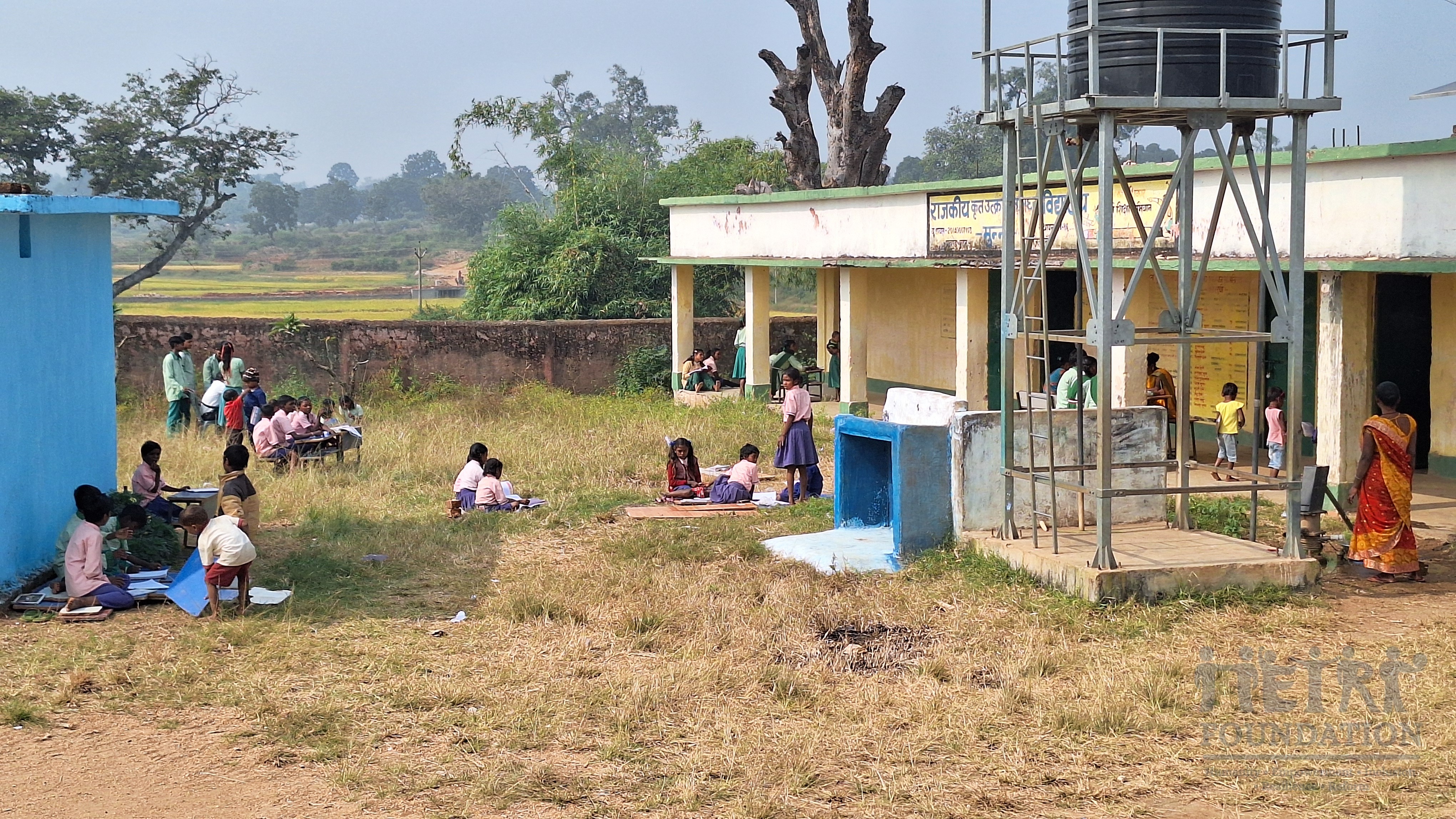
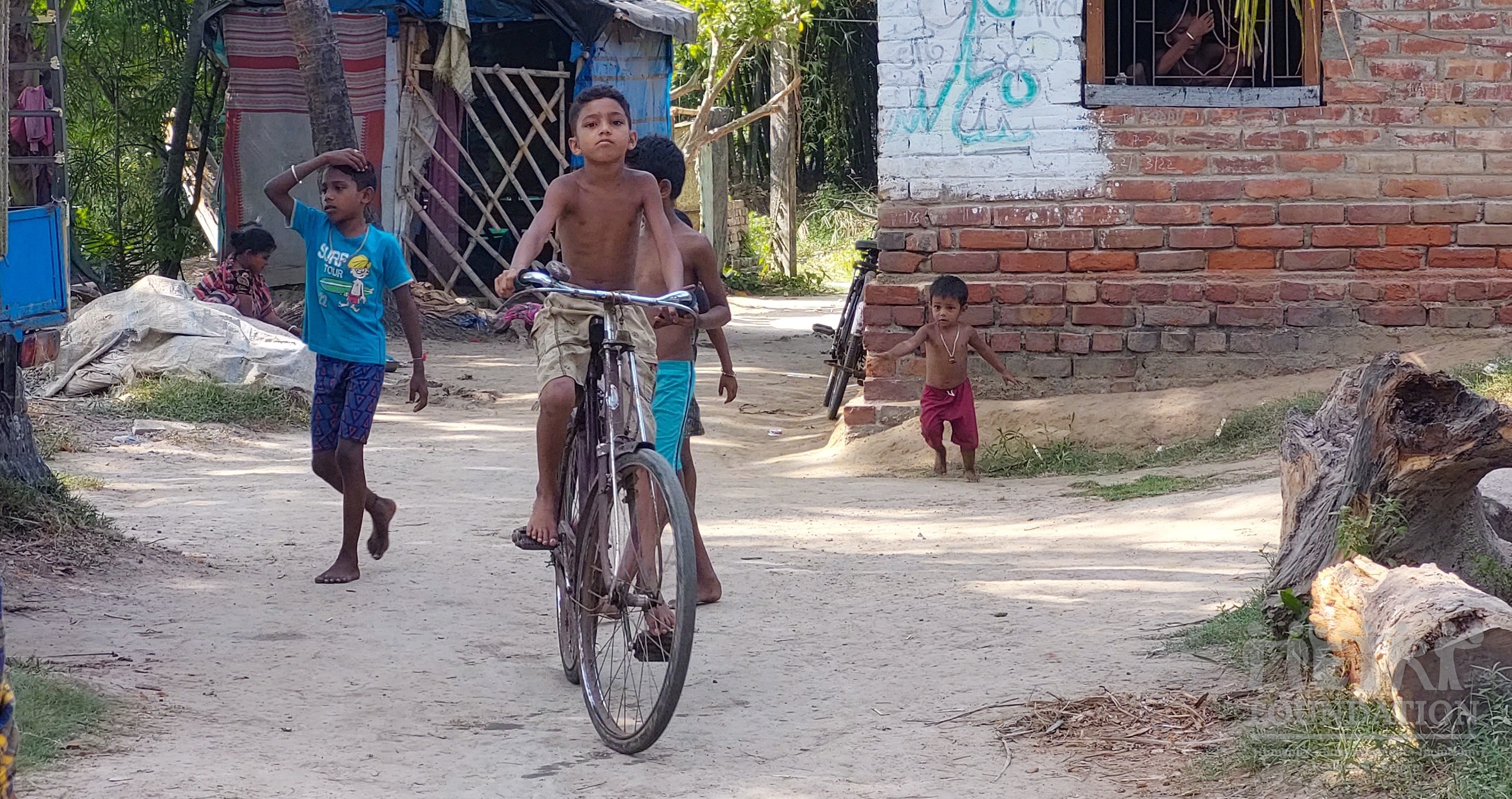
Education
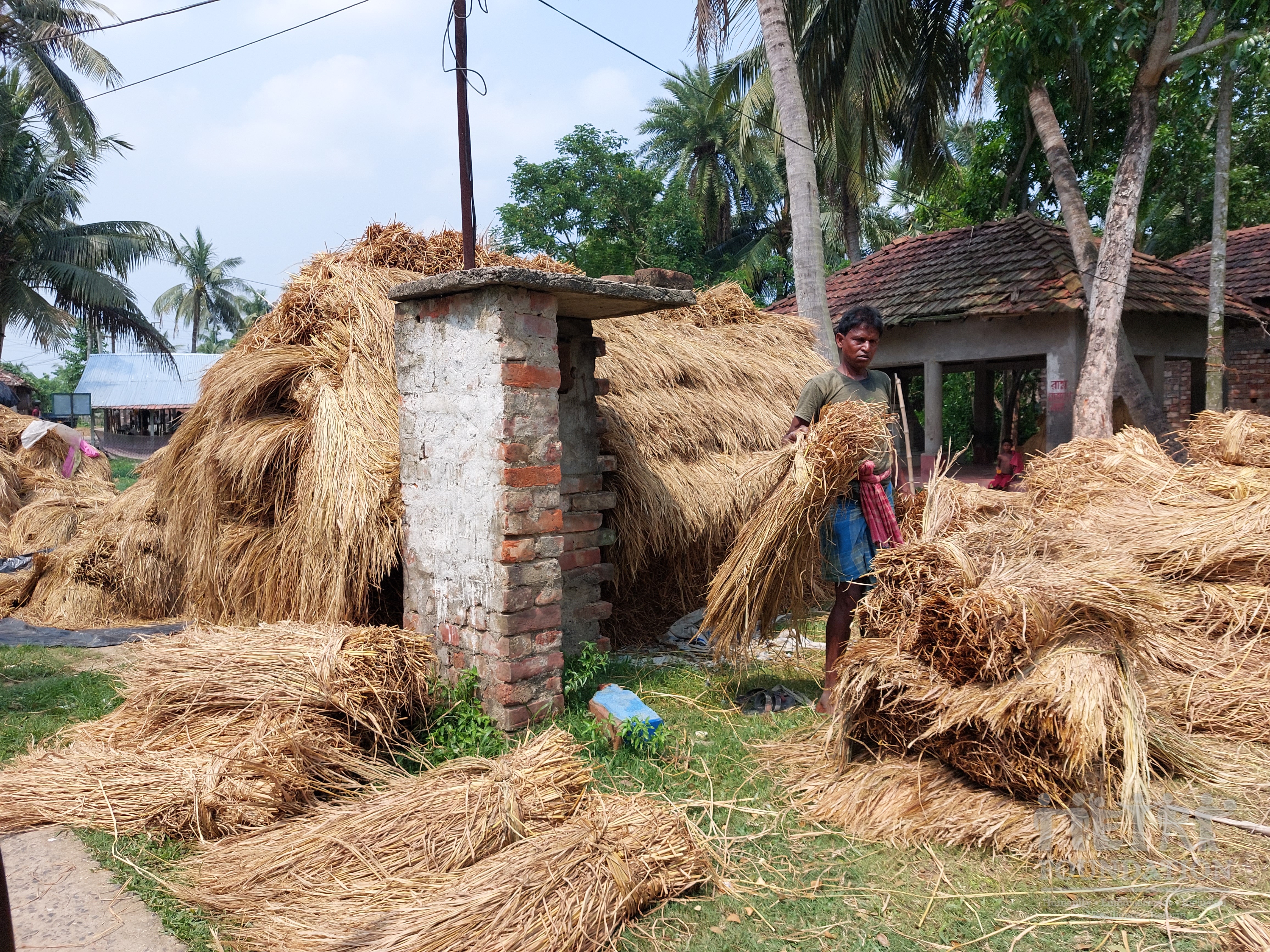
- India: Secondary school dropout rate stands at 8.2%, with many children still struggling to complete secondary education.
- West Bengal: Learning gaps, digital exclusion, and unequal access to quality education continue to affect children in rural, urban poor, and tribal communities.
- Jharkhand: 59,094 out-of-school children were identified in 2025, including 24,649 dropouts and 18,601 never-enrolled children.
Livelihood & Skill Development
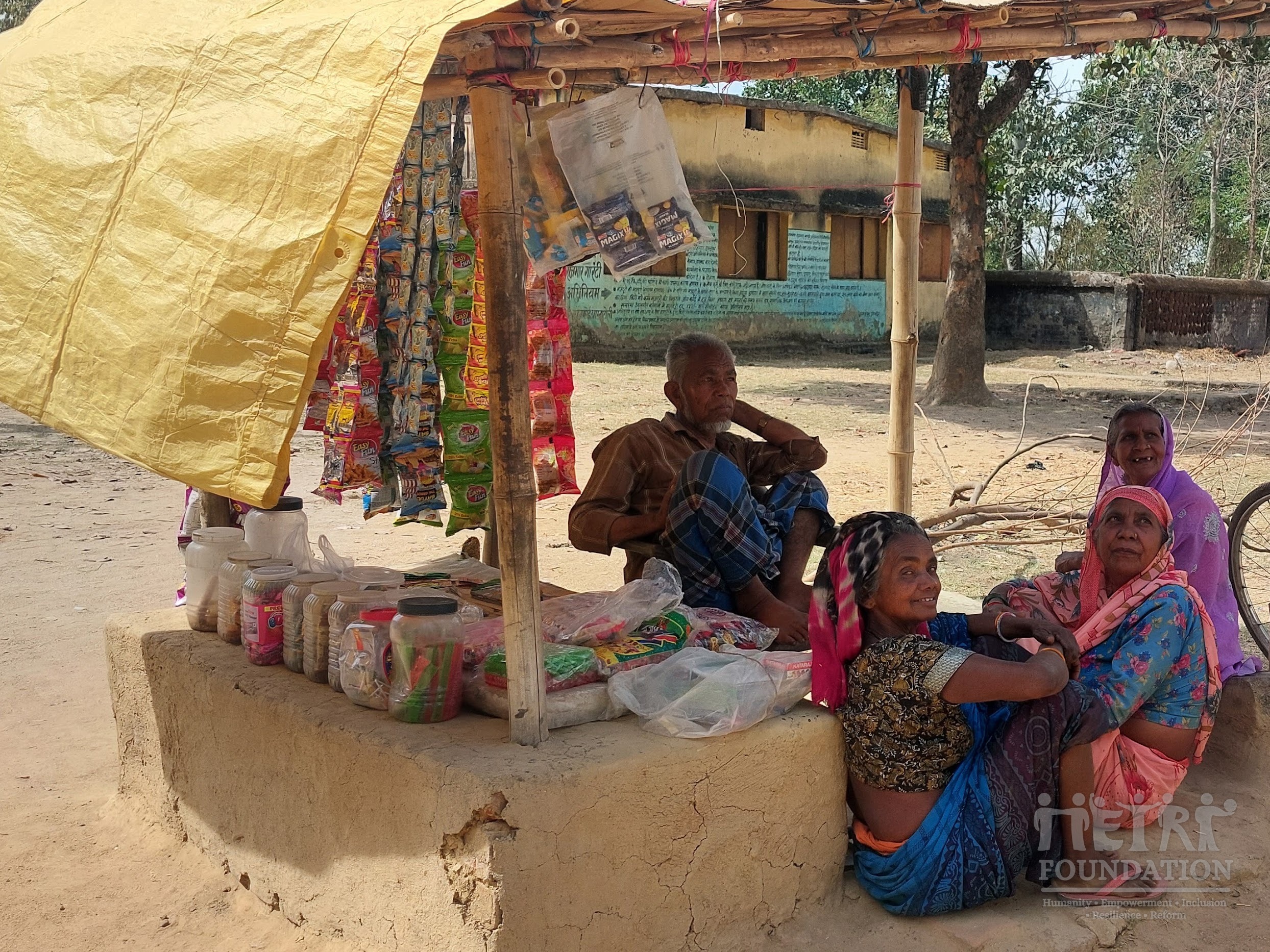
- India: Educated unemployment stands at 6.5% among people aged 15 years and above with secondary education or higher.
- West Bengal: Informal employment and underemployment continue to limit stable income opportunities, particularly for youth and women.
- Jharkhand: 46% of tribal households live below the poverty line, while migration affects 42% of young men and 50% of young women due to limited local employment.
Health & Nutrition
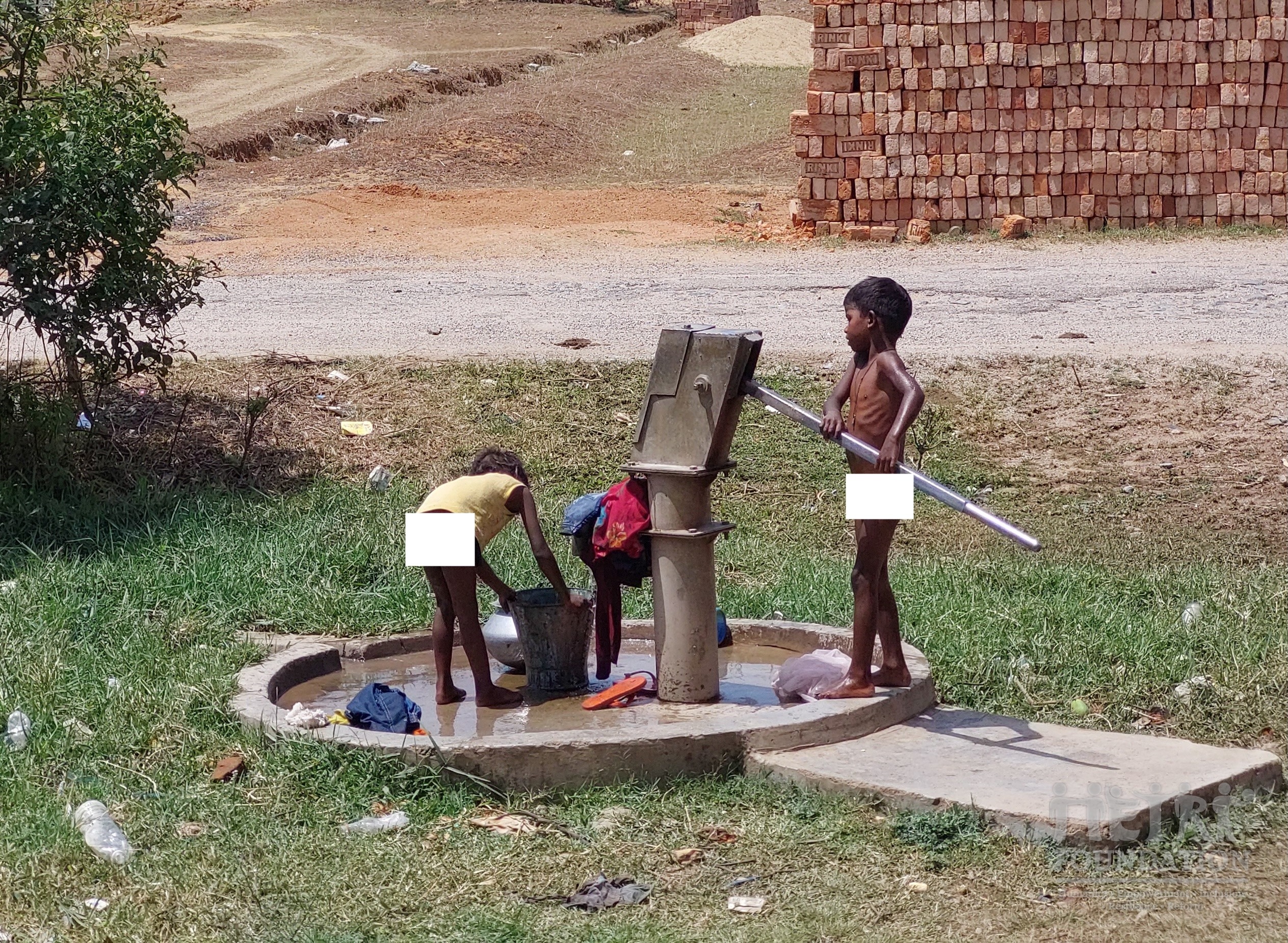
- India: 29.3% of children under five are stunted, while 19% suffer from wasting.
- West Bengal: 69% of children and 71% of women are anaemic, reflecting persistent nutritional deficiencies.
- Jharkhand: 22.3% of children under five are wasted—higher than the national average.
Women & Child Rights
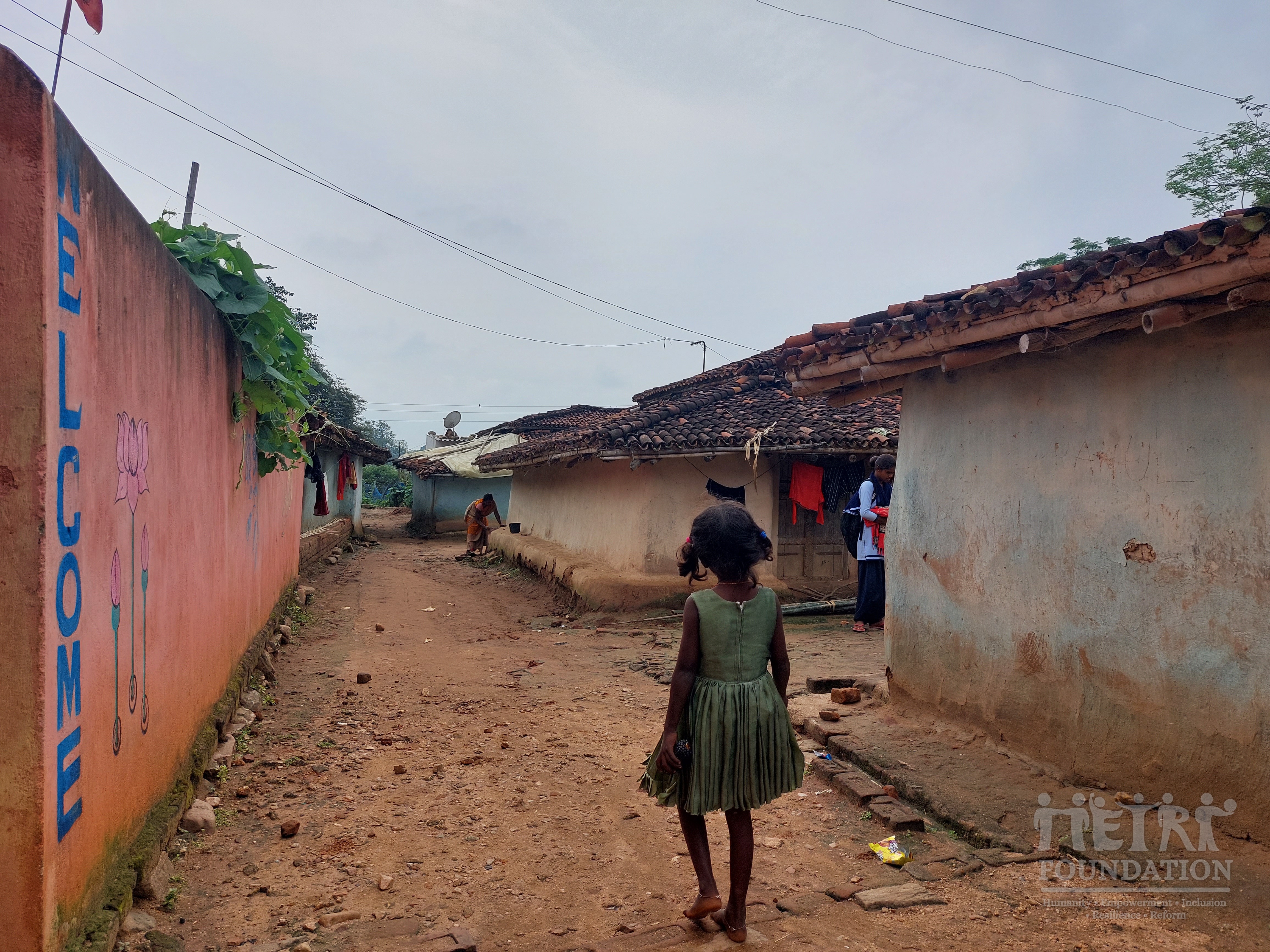
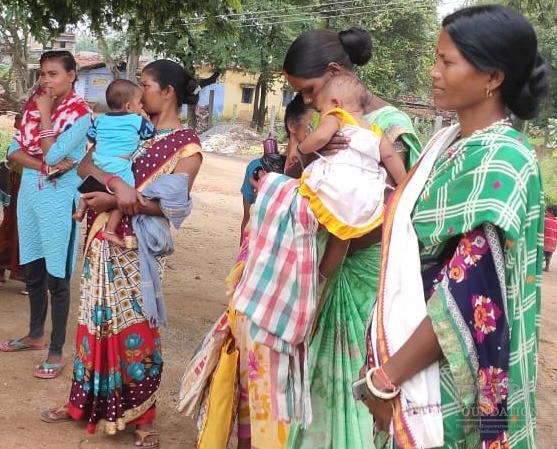
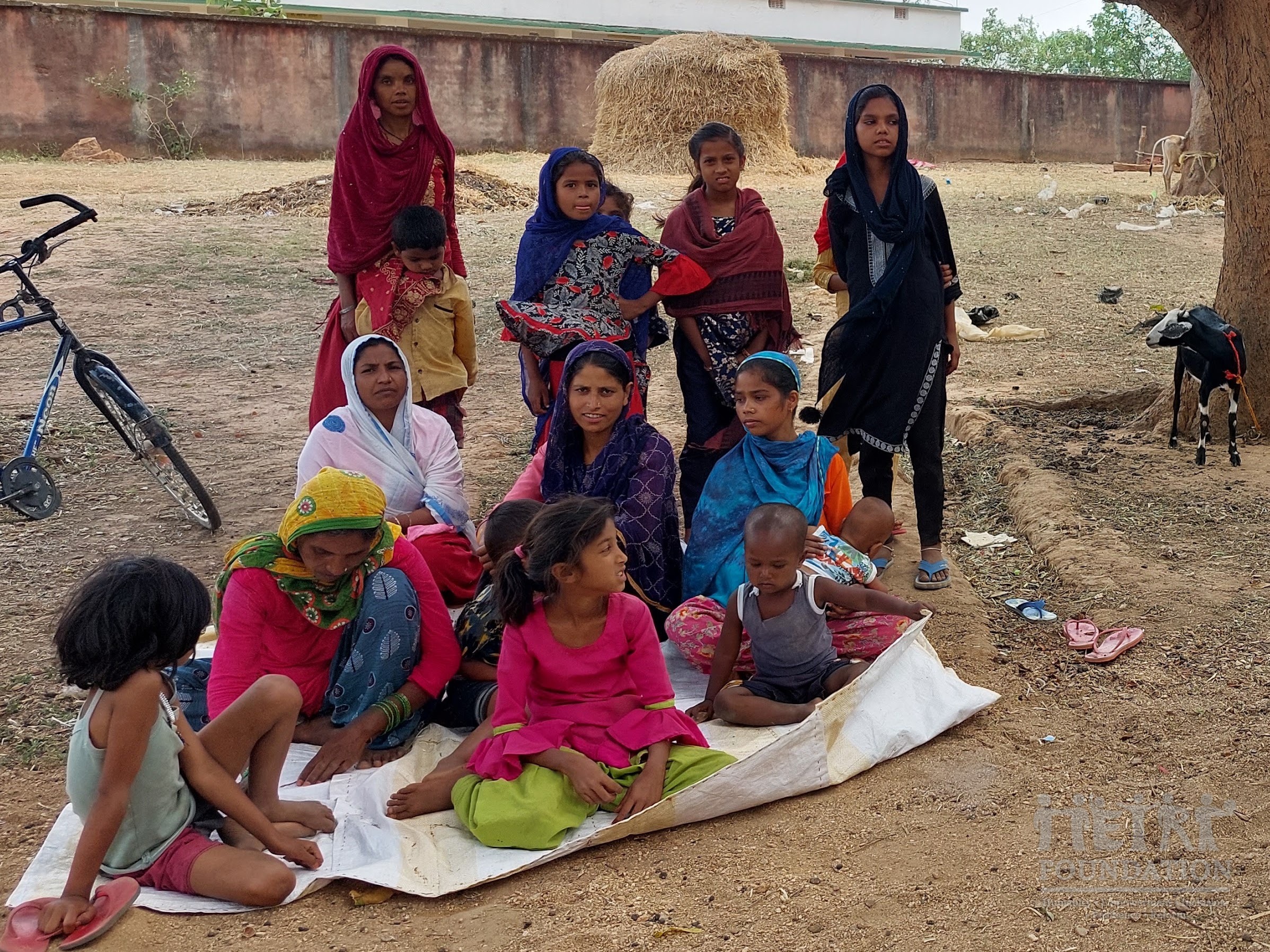
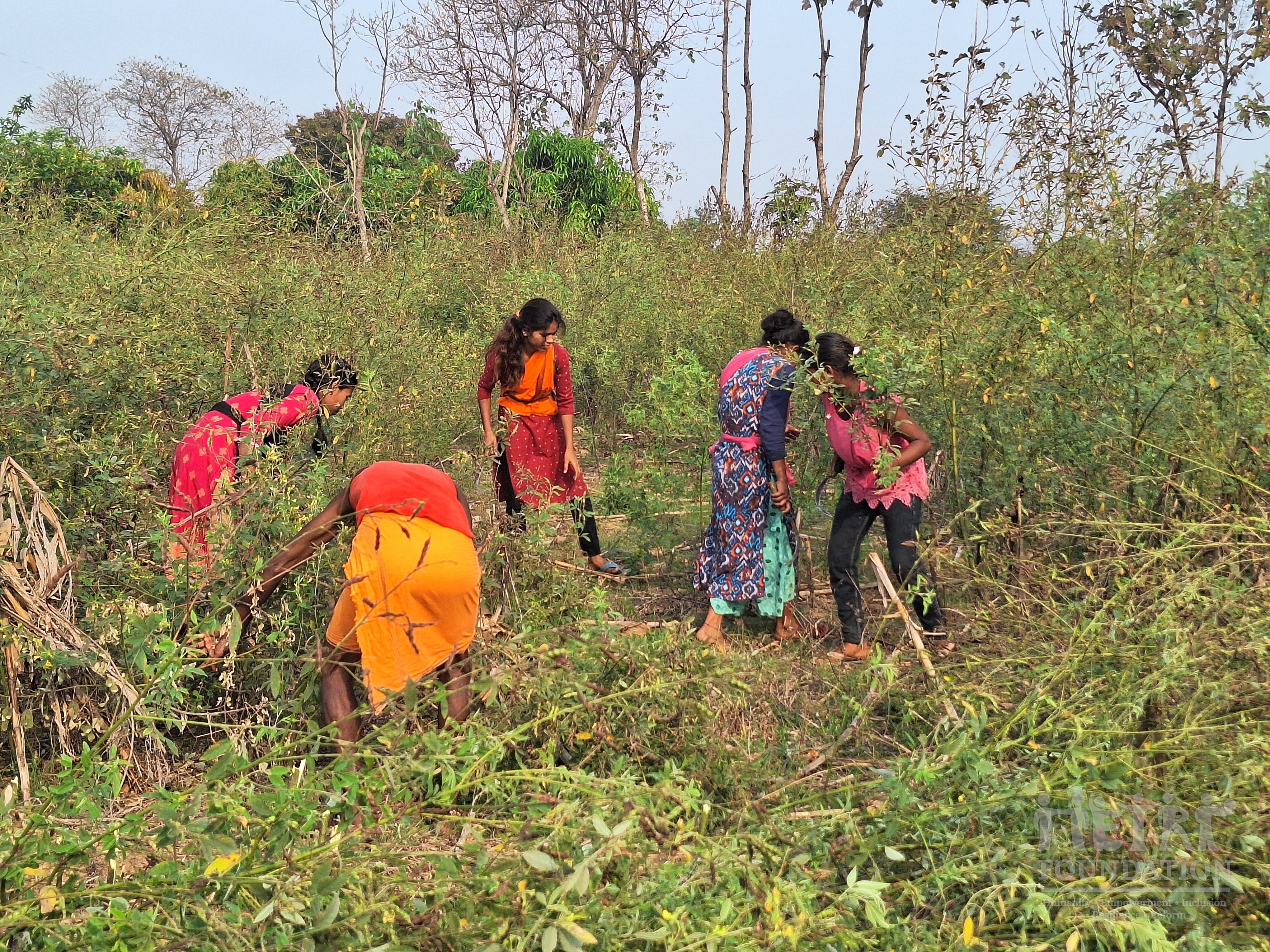
- India: Poverty, gender inequality, child labour, trafficking, and early marriage continue to affect millions of women and children.
- West Bengal: 71% of women are anaemic, highlighting continued health and nutrition vulnerabilities.
- Jharkhand: Early marriage, unsafe migration, and weak protection systems increase the risk of exploitation, violence, and school dropout among women and children.
Environment & Climate Resilience
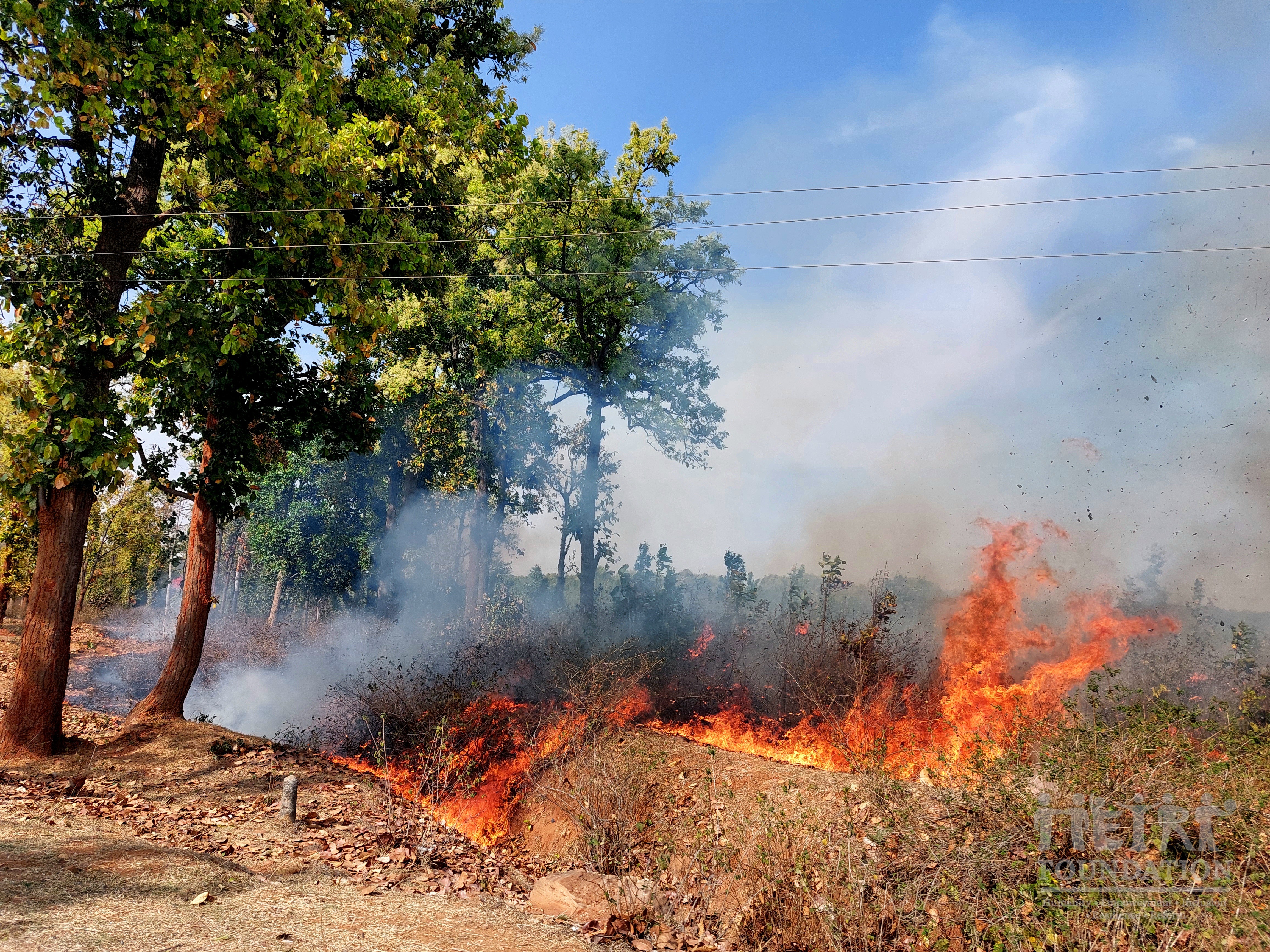
- India: Climate change is increasing the frequency of heatwaves, floods, droughts, and extreme weather events.
- West Bengal: 15 districts, home to nearly 72 million people, are highly vulnerable to climate hazards, with Kolkata, Howrah, Paschim Medinipur, and South 24 Parganas among the most exposed.
- Jharkhand: Forest-dependent and drought-prone districts face increasing climate stress, affecting agriculture, livelihoods, food security, and water availability.
OUR SOLUTION
Integrated Solution Areas
Education & Learning Continuity
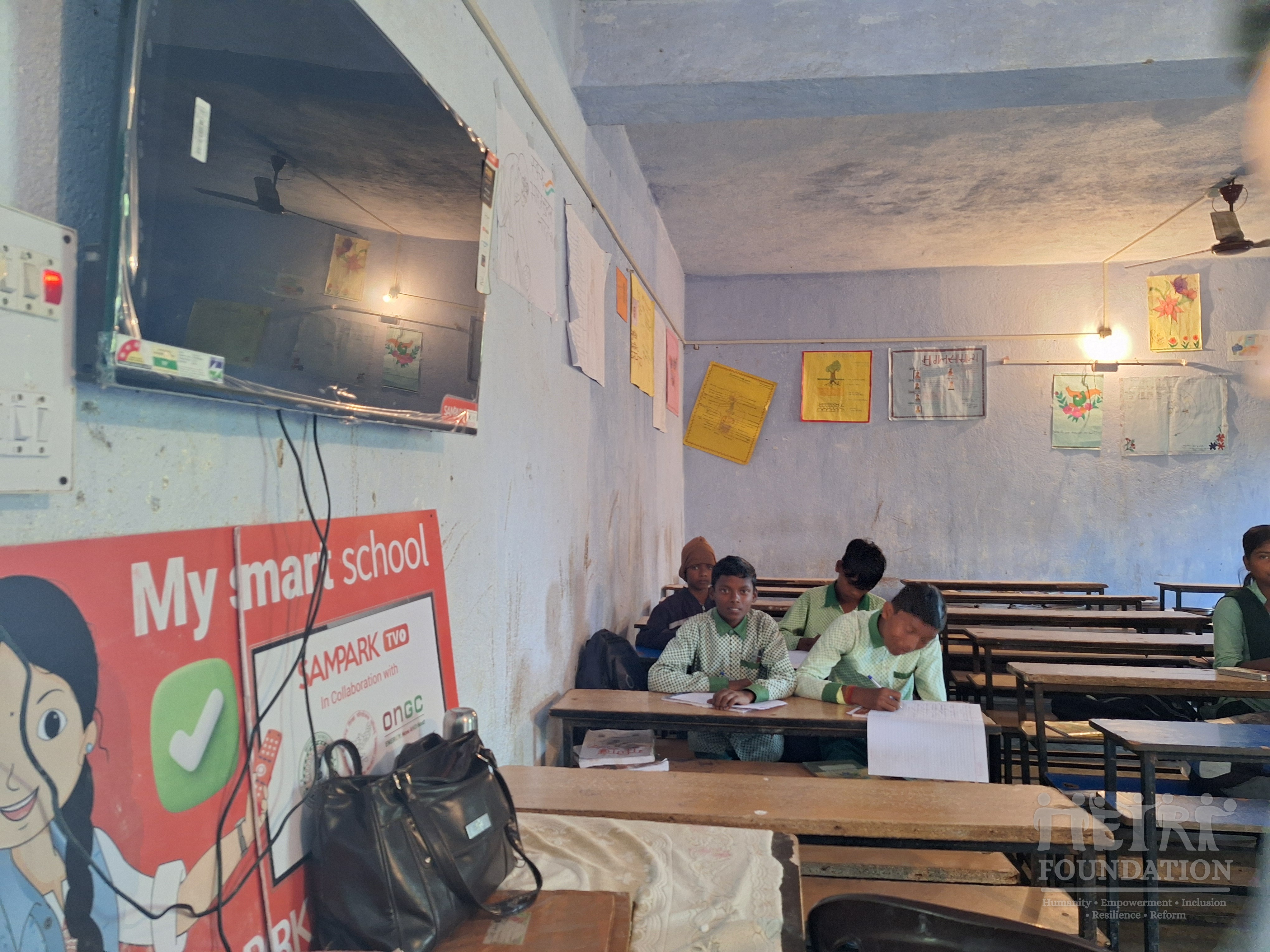
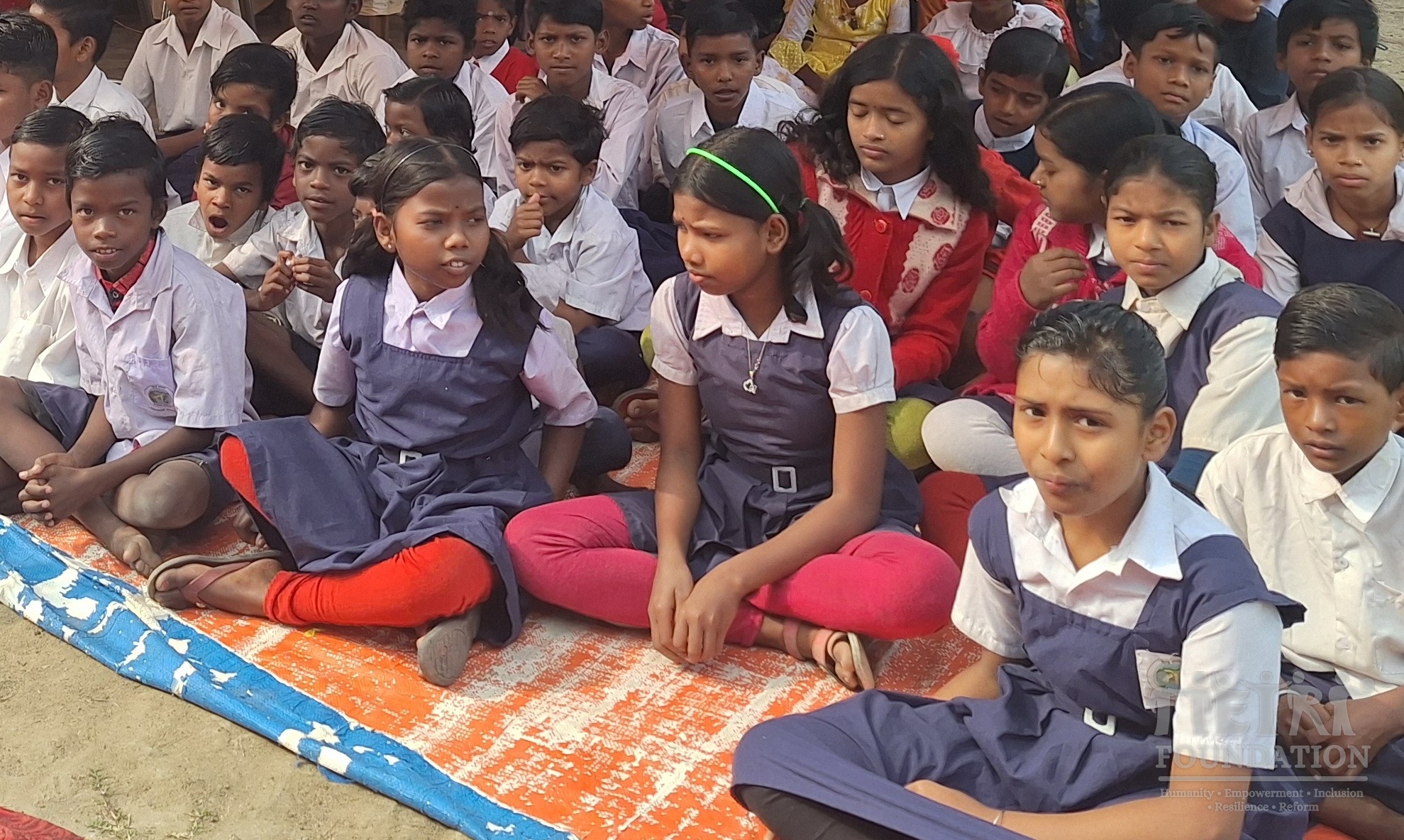
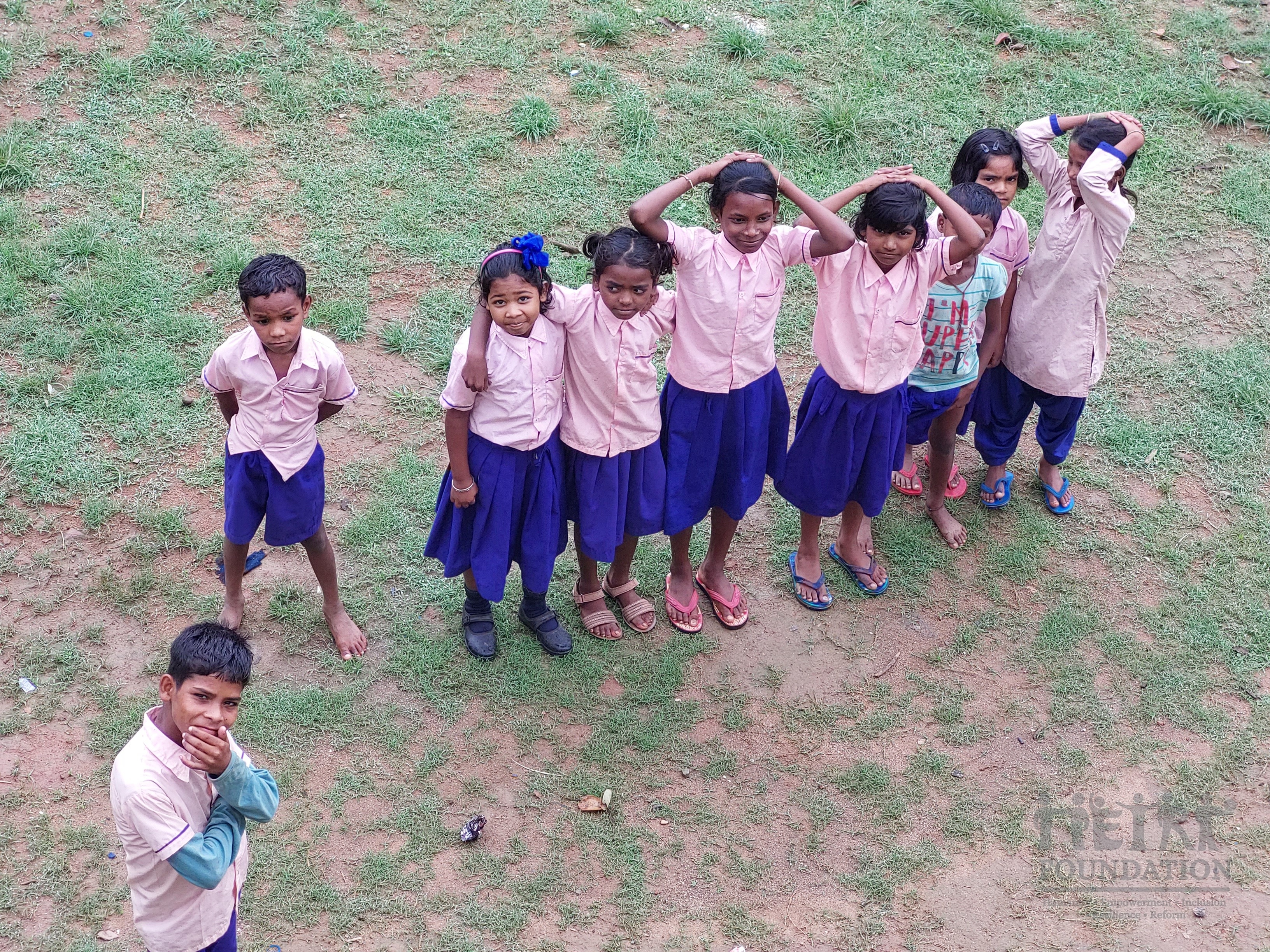
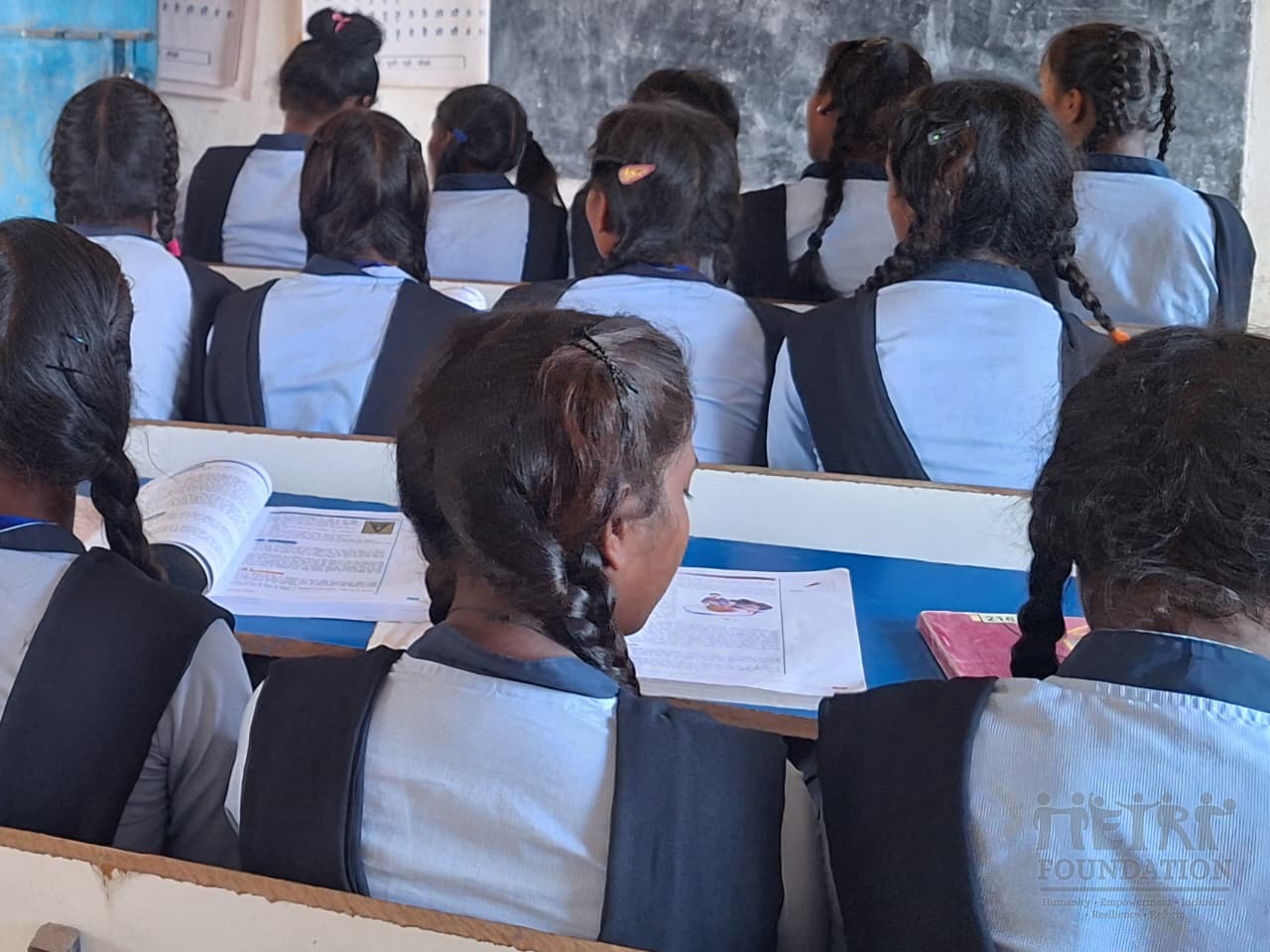
We strengthen access to quality education for children and adolescents from underserved communities through learning support, school retention, foundational literacy and numeracy, digital learning exposure, parental engagement, and career awareness.
Key approaches
- Foundational learning support for children
- Remedial education and bridge learning
- School retention and dropout prevention
- Digital and STEM learning exposure
- Parent and community engagement
- Career guidance for adolescents
SDG 4, SDG 5, SDG 10
Social impact, inclusive education, community development
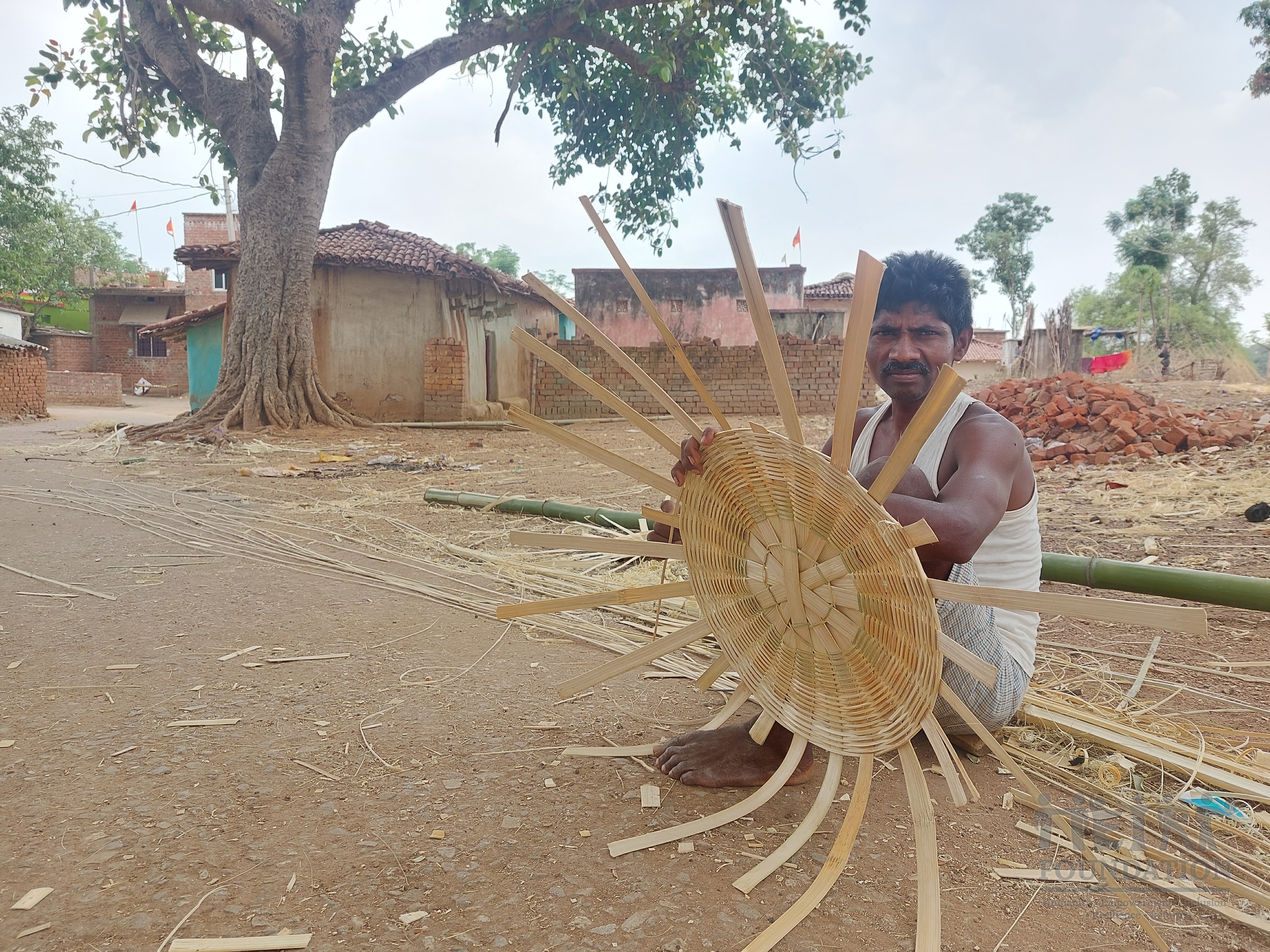
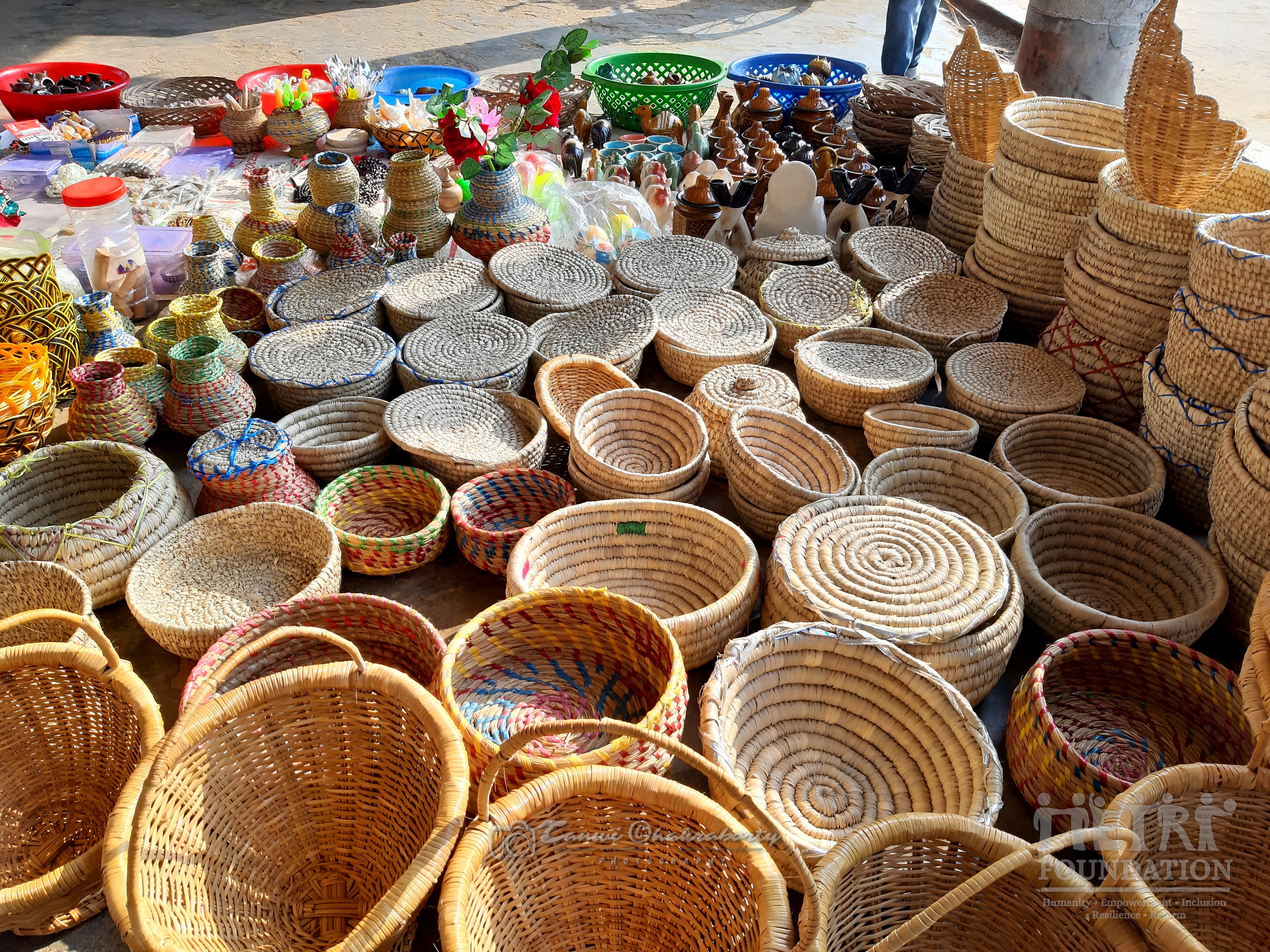
Skill Development & Sustainable Livelihoods
We build employability and income-generation opportunities for youth, women and vulnerable families through market-relevant skilling, entrepreneurship support, job-readiness training, livelihood linkages and access to government schemes.
Key approaches
- Vocational and life-skill training
- Digital and financial literacy
- Entrepreneurship and micro-enterprise support
- Job-readiness and placement linkage
- Government scheme awareness
- Support for local livelihood models and producer groups
SDG 1, SDG 5, SDG 8, SDG 10
Livelihood creation, inclusive growth, economic resilience
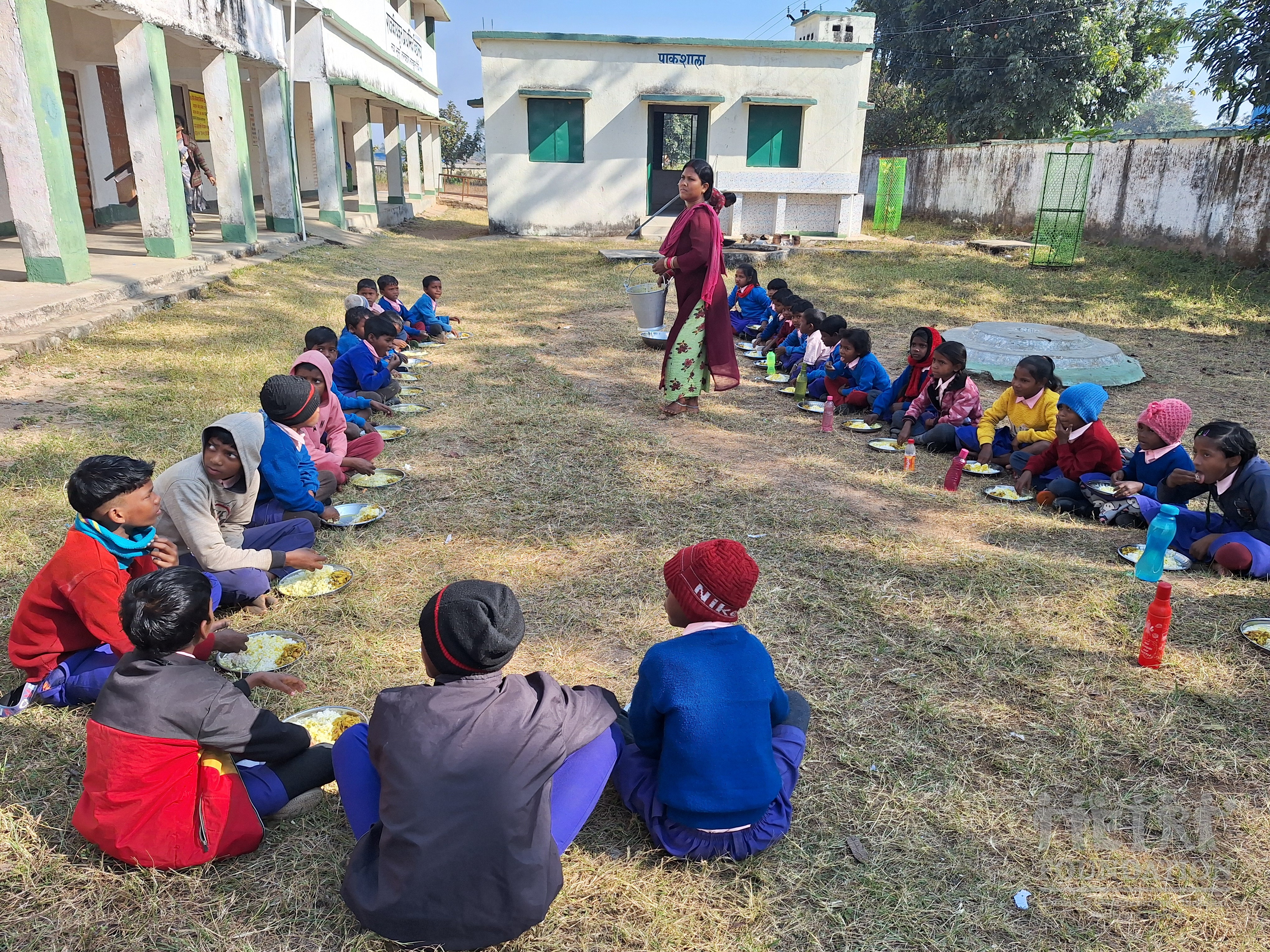
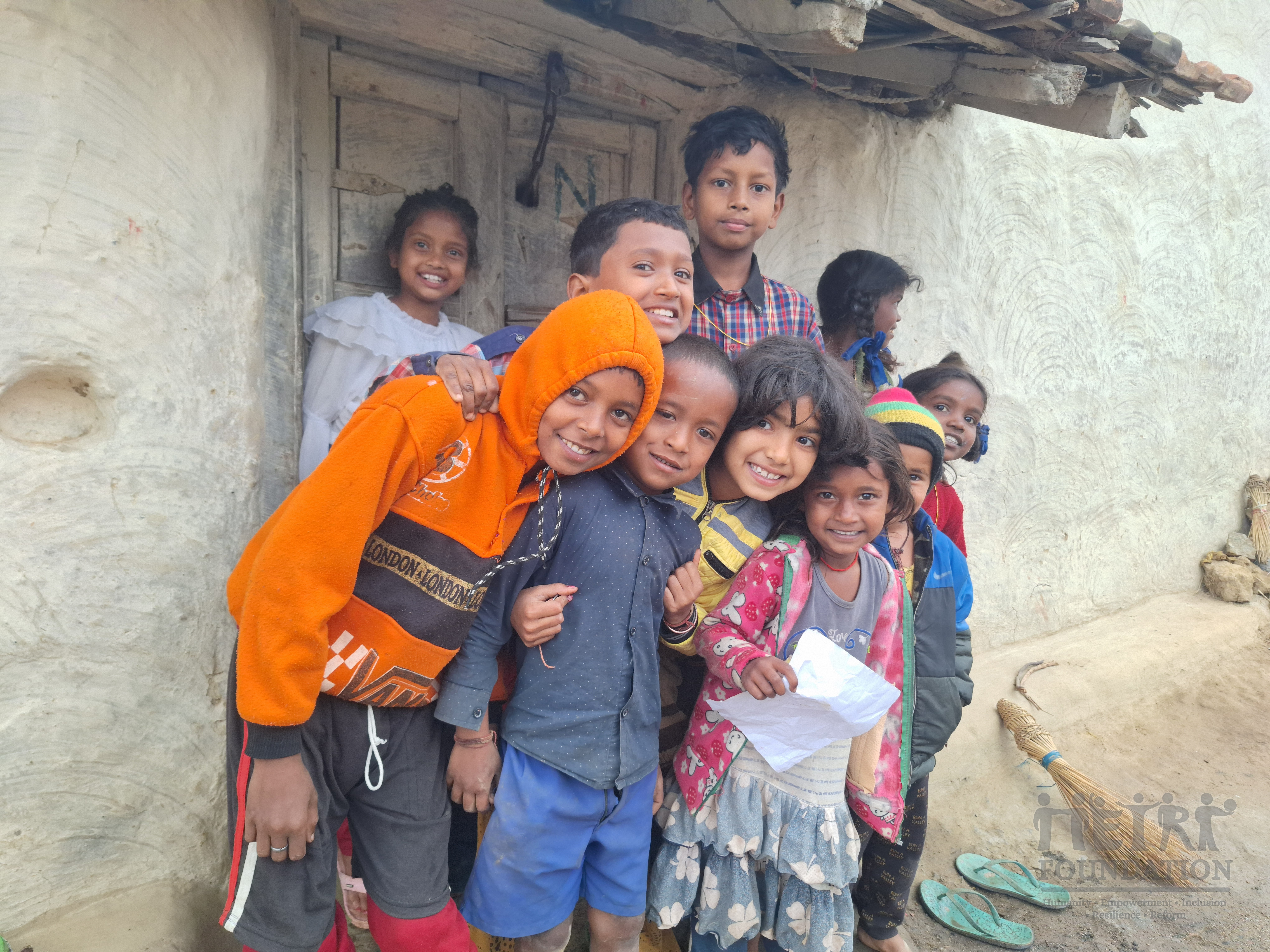
Health, Nutrition & Well-being
We promote preventive health, nutrition awareness, maternal and child health, adolescent health, anaemia awareness, mental well-being, and improved health-seeking behaviour through community-based outreach.
Key approaches
- Nutrition awareness for mothers, children and adolescents
- Anaemia prevention and referral support
- Health camps and screening linkages
- Menstrual hygiene and adolescent health sessions
- Mental health awareness
- Linkage with ICDS, ASHA, ANM and public health services
SDG 2, SDG 3, SDG 5
Community health, human capital, social well-being
Women & Child Rights
We integrate rights-based awareness across all programmes to improve safety, dignity, participation and access to entitlements for women, children and adolescents.
Key approaches
- Child protection awareness
- Prevention of child labour, child marriage and trafficking
- Gender equality sessions
- Legal rights and entitlement awareness
- Community vigilance and referral mechanisms
- Leadership spaces for adolescent girls and women
SDG 5, SDG 10, SDG 16
Human rights, gender equity, social protection
Environment & Climate Resilience
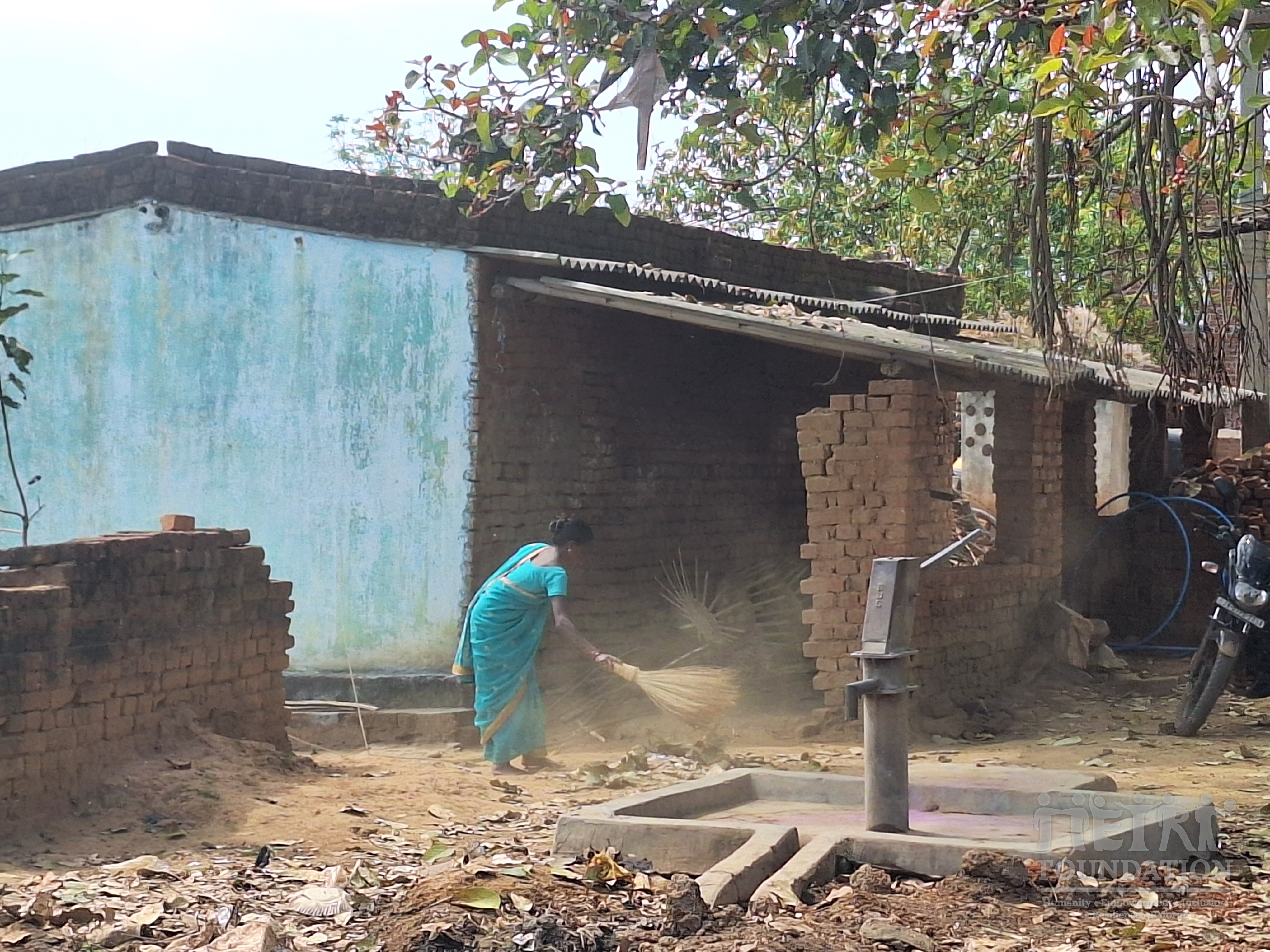
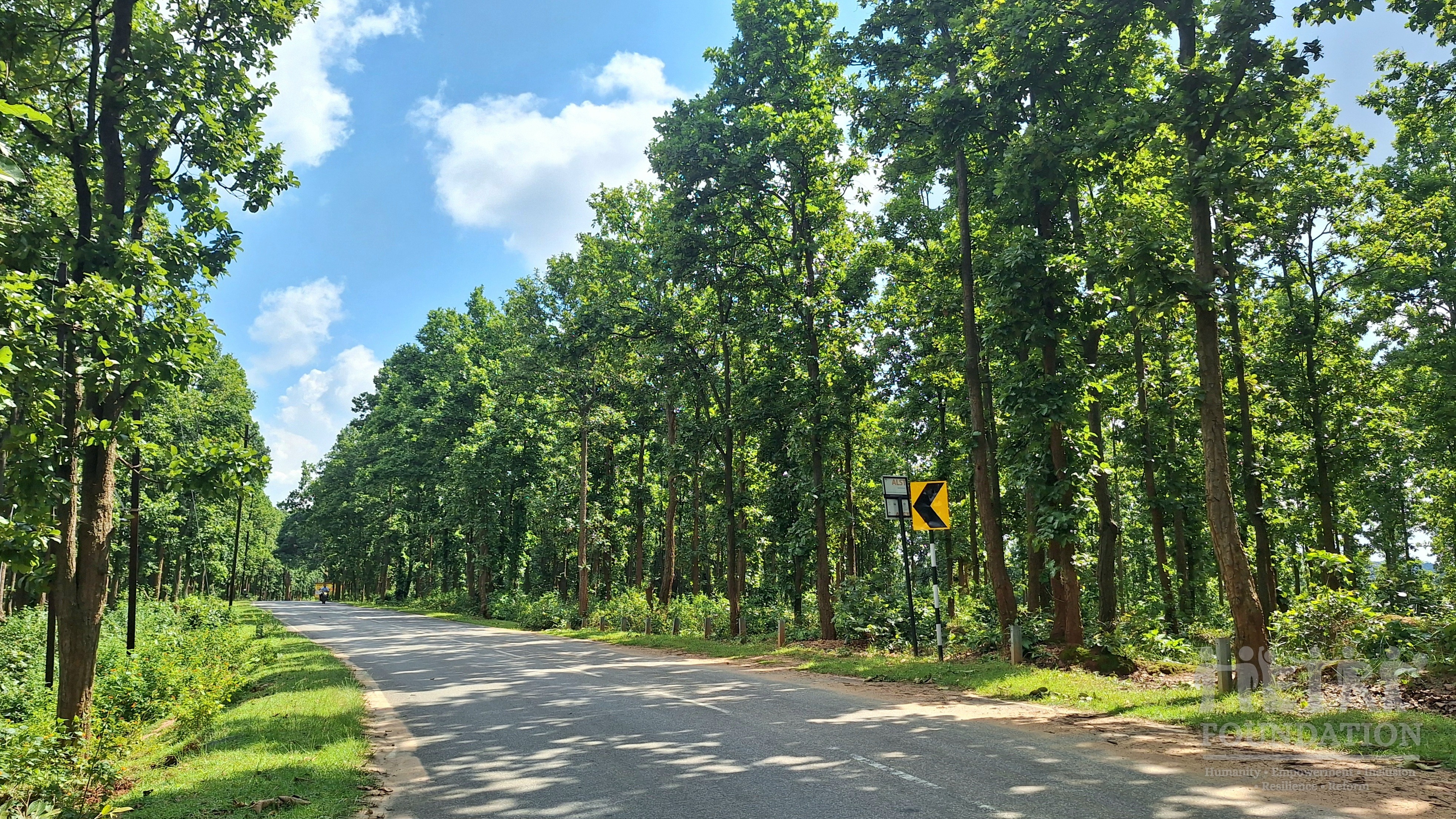
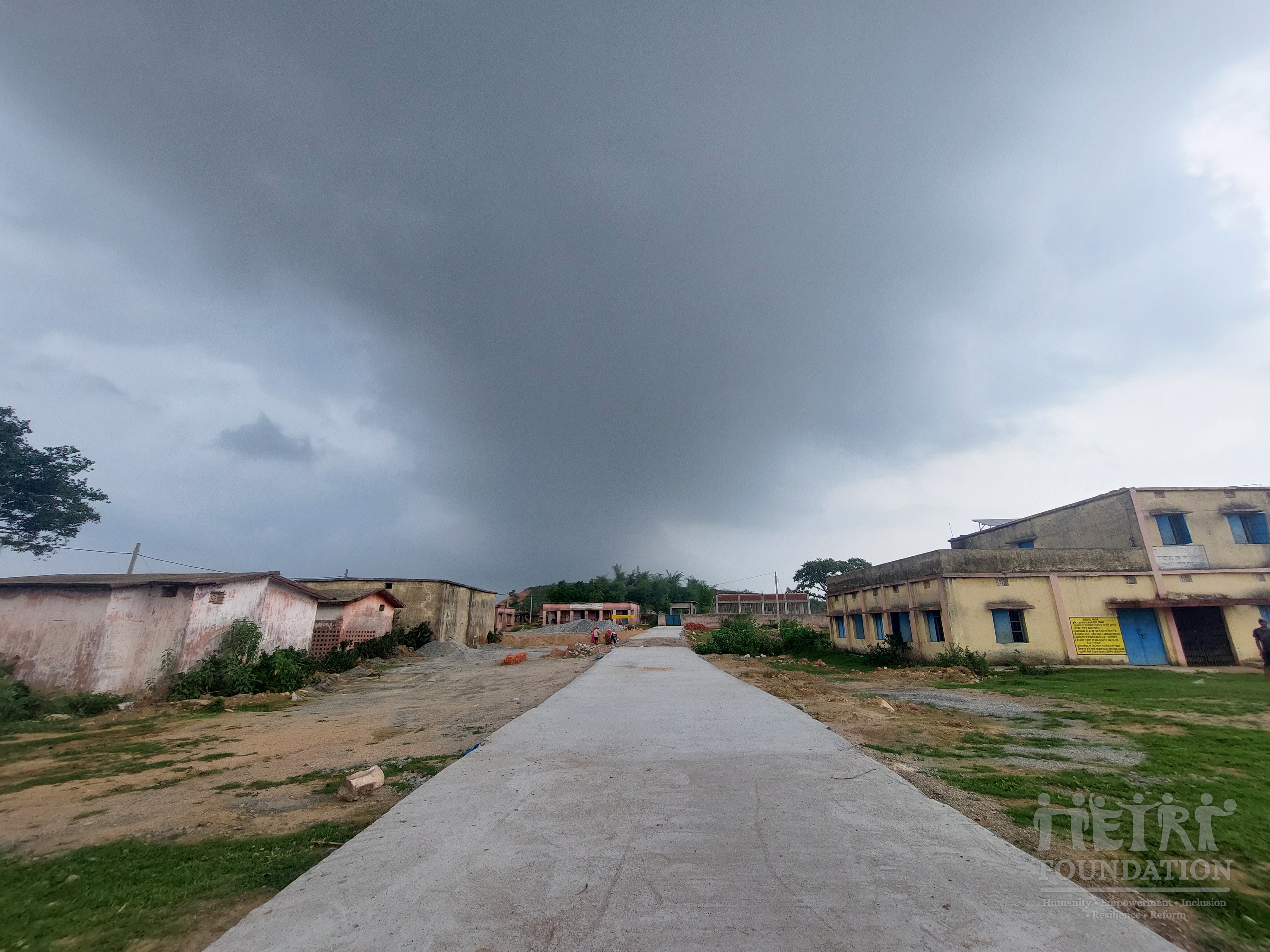
We promote community-led environmental awareness and climate resilience in urban slums, rural villages, tribal areas and climate-vulnerable regions such as South 24 Parganas. Current CSR trends show rising investment in environment, climate and sustainability programmes.
Key approaches
- Climate and environmental awareness
- Waste management and cleanliness drives
- Plantation and biodiversity activities
- Water conservation awareness
- Disaster preparedness in vulnerable areas
- Green livelihood and climate-smart practices
SDG 6, SDG 11, SDG 12, SDG 13, SDG 15
Environmental responsibility, climate resilience, sustainable communities
Cross-Cutting Model
Across all geographies, HEIRR Foundation will follow an integrated model:
IdentifyMobiliseTrainLinkSupportMeasure
This means we will identify vulnerable groups, mobilise communities, build awareness and skills, connect people with services and opportunities, provide continued handholding, and measure outcomes transparently.
Community Strengthening, Ownership and Partnership
We work to strengthen community participation, transparency, accountability, and access to public systems by enabling citizens, community institutions, and frontline stakeholders to actively engage with governance processes and social development programmes.
We believe sustainable development is only possible when communities are aware of their rights, can access public services, and participate in decision-making processes that affect their lives.
Key Approaches
- Awareness of rights, entitlements and government schemes
- Strengthening community-based institutions and local leadership
- Capacity building of community volunteers and frontline workers
- Social accountability and citizen participation initiatives
- Support for access to government services and welfare programmes
- Community feedback and grievance redressal mechanisms
- Data-driven monitoring, reporting and evidence-based decision making
- Institutional strengthening of grassroots organizations and community groups
Aligned with
- SDG 16 – Peace, Justice & Strong Institutions
- SDG 17 – Partnerships for the Goals
- SDG 10 – Reduced Inequalities
OUR APPROACH
Digital-First Development — A Signature Strategy
Technology as Enabler of Dignity, Not Replacement for Community
HEIRR Foundation integrates digital technology into every aspect of our work—not as a substitute for human relationships, but as a powerful enabler of transparency, efficiency, and accountability. Digital systems allow us to listen to communities in real time, measure impact accurately, and keep donors informed without delay.
Key Digital Commitments:
- Real-Time Impact Dashboards — Access live data on programme outcomes, beneficiary progress, resource utilization.
- Community Feedback Loops — Digital platforms for communities to report progress, raise concerns, and shape programme decisions.
- Mobile-First Service Delivery — SMS alerts, WhatsApp groups, mobile apps to ensure marginalized communities (often without fixed internet) can access information and services.
- Transparent Financial Tracking — Digital budget management, expense tracking, and public donor reports.
- Data Security & Privacy — Encryption, consent protocols, and community data rights protection built in from day one.
- Digital Upskilling — Teaching digital literacy to field teams, community members, and partners so technology benefits everyone, not just organizations.
Why This Matters:
You can see impact happening in real time. No waiting for quarterly reports. Access dashboards, monitor outcomes, and receive instant alerts when milestones are reached or challenges emerge. This is the future of NGO accountability—and HEIRR Foundation is building it now.
Rights-Based, Evidence-Driven Methodology
How We Work
Our programme design starts with community, not organization. We listen, learn, co-design solutions, and measure what matters—not just what's easy to count.
Stage 1: Community Needs Assessment & Co-Design
We don't arrive with solutions. We arrive with questions. We conduct participatory needs assessments, surface community priorities, and co-design interventions with communities at the table. Programmes belong to communities; we are facilitators.
Stage 2: Integrated, Multi-Sectoral Implementation
We recognize that dignity is multidimensional. A child can't learn if hungry or sick. A woman can't work safely without community protection. A youth can't find employment without skills and networks. We work across education, health, livelihood, and protection simultaneously.
Stage 3: Continuous Monitoring & Real-Time Adaptation
Every month, we measure progress against clear indicators. Every quarter, we review what's working and what isn't. If something isn't moving beneficiaries, we stop it and try something else. Learning is continuous; perfection is not required.
Stage 4: Evidence Sharing & System Change
We document what works, publish findings, and engage government and other stakeholders to scale solutions beyond our programmes. We measure success not just by how many people we serve, but by how much we shift systems.
Governance & Accountability Framework
How We Earn Trust
Board of Directors:
- Tanwi Chakraborty — Director & Co-founder
11 years of progressive experience in social impact, CSR strategy, programme governance, and fundraising. M.Sc. Gold Medallist in Anthropology. Led multi-state programmes, managed budgets up to ₹4.5 Crore, and scaled CSR partnerships. (See full profile below)
- Ananya Das — Director & Co-founder
10+ years of experience in ECCE, health, nutrition, and environmental sustainability. B.Ed., M.A. in Human Development. Expert in programme design, monitoring & evaluation, documentation, team leadership, and field operations. (See full profile below)
Governance Commitments:
- Monthly board meetings with documented minutes
- Quarterly impact reviews with beneficiary and staff feedback
- Annual external audit (independent auditor)
- Annual donor report with transparent financials and impact metrics
- Quarterly stakeholder engagement forums (communities, partners, donors)
- Independent complaints mechanism for staff, partners, and communities
- Conflict-of-interest policies and whistle-blower protections